Table of Contents
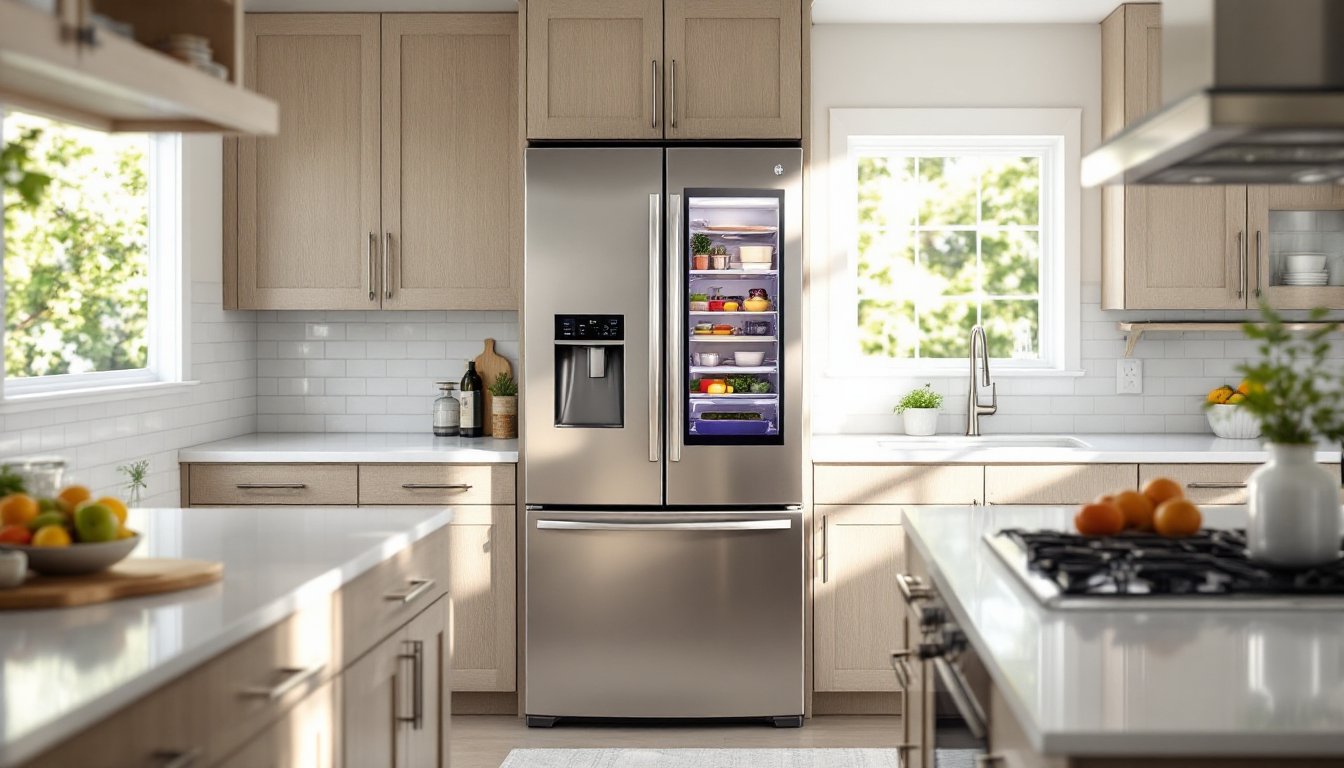
ToggleIf you’re planning a kitchen remodel or upgrade, a counter depth refrigerator offers a sleek alternative to the standard 30-inch depth that juts out from your cabinetry. The GE Café counter depth refrigerator has become a favorite among homeowners who want that built-in look without actual custom installation costs. Unlike traditional French-door models that extend 10+ inches beyond your countertops, counter depth units sit flush, or nearly flush, with cabinet fronts, creating a seamless, high-end appearance. This matters if you’re working with a smaller kitchen footprint or simply prefer a cleaner sightline. In this guide, we’ll walk through what makes the café series stand out, how to figure out which model fits your layout, and what you need to know before installation day.
Key Takeaways
- A GE Café counter depth refrigerator eliminates the awkward overhang of standard 30-inch models by measuring 24–27 inches deep, creating a seamless, high-end look that aligns perfectly with your countertops.
- While counter depth refrigerators sacrifice 2–4 cubic feet of capacity compared to full-depth units, the design cohesion and improved kitchen traffic flow make them ideal for remodeled kitchens and open-concept layouts.
- GE Café models range from $2,200–$4,000+ depending on features like Wi-Fi connectivity, ice and water dispensers, and smart cooling zones, so compare usable shelf space and your cooking habits before choosing a model.
- Proper installation requires accurate measurements of your kitchen opening (accounting for handle and hinge depth), 1 inch of clearance on all sides for air circulation, and potentially a dedicated 15-amp circuit for optimal performance.
- Maintain your GE Café refrigerator by cleaning condenser coils every six months, replacing inlet water filters every 6 months, and setting temperatures to 37–40°F for the fridge and 0°F for the freezer to maximize efficiency and lifespan.
- The GE Café counter depth refrigerator is worth the $500–$1,000 premium over standard models if you prioritize kitchen aesthetics and have a fixed layout, but reconsider if you have large freezing needs, a large family, or frequent grocery shopping simply isn’t convenient.
Why Counter Depth Refrigerators Matter for Your Kitchen Design
A standard refrigerator measures roughly 30 to 34 inches deep. That extra depth pushes it beyond your countertops, breaking the clean line of your kitchen workflow. A counter depth unit typically measures 24 to 27 inches, matching or nearly matching your counter depth. This eliminates that awkward overhang and improves traffic flow around your kitchen island or galley layout.
The visual impact is real. Your kitchen reads as more intentional and cohesive when appliances don’t stick out like blocky afterthoughts. If you’re investing time and money into new cabinetry, tile, or layout, a counter depth fridge signals that you’ve thought through the whole space. That said, you’ll sacrifice some interior volume compared to a full-depth unit. Most people lose about 2–4 cubic feet of capacity, something to weigh if you’re storing for a large family or hobby baker.
From a practical standpoint, counter depth refrigerators fit tighter into remodeled kitchens where the layout is fixed. They’re also easier to clean behind (no reaching into a dark gap), and they sit at a better eye level for upper shelves. If you’re building a kitchen that balances form and function, counter depth makes sense. The GE Café series refrigerator is designed specifically for this purpose, so the interior organization still feels roomy even though the compact footprint.
Key Features of the GE Café Line
GE’s Café line sits at the premium end of the appliance market, and that shows in both pricing and features. These refrigerators come in several door configurations, French-door models are most common, and finishes including stainless steel, matte black, and soft matte white. The control panels are intuitive, and many models feature an integrated ice and water dispenser inside the fridge (rather than on the door), freeing up shelf space.
One standout is the Wi-Fi connectivity on select models. You can monitor temperature, receive alerts if the door stays open, and even adjust settings from your phone. It’s a nice convenience feature, though not essential for everyone. Energy efficiency is another plus: most Café models carry Energy Star certification, which translates to lower utility bills over the unit’s 10–15 year lifespan.
Advanced Cooling Technology and Organization
The café counter depth refrigerator uses multi-zone cooling that adapts to the food you’re storing. Separate climate zones keep produce fresher without freezing lettuce, and dual evaporators prevent odor transfer between fridge and freezer. Door shelving includes spill-proof bins, and many models offer slide-out shelves that make reaching items in the back easier, a simple but thoughtful design detail.
Interior lighting is usually LED, which stays cool and uses minimal energy. Freezer drawers are often split into sections so you’re not digging through a mountain of frozen items. Organization features vary by model, so check the specifications for your intended layout. Some Café refrigerators include a beverage cooler drawer, useful if you entertain frequently, while others prioritize traditional fridge-and-freezer space.
Comparing GE Café Models: Which One Fits Your Needs
GE offers several Café counter depth models, and choosing between them comes down to your family size, cooking habits, and budget. The entry-level Café models offer solid performance and the aesthetic appeal, with around 20–22 cubic feet of capacity. Mid-range models typically add features like Wi-Fi, better ice-making capacity, and more storage configurations. Top-tier Café units might include a built-in coffee system, sommelier-grade wine storage, or additional smart features.
When comparing, focus on usable shelf space rather than just total volume. Two refrigerators with identical cubic footage can feel different inside depending on shelf height, door shelf design, and freezer configuration. If you cook from fresh ingredients daily, you’ll want more crisper drawers and flexible shelving. If you’re a meal-preparer who stocks the freezer, look for a model with well-organized freezer compartments.
Budget-wise, a basic GE Café series refrigerator counter depth model might run $2,200–$2,800, while fully loaded top-tier models exceed $4,000. Price varies by region and retailer, so shop around. Also consider whether you need ice and water delivery, that’s a feature you can add or skip. If your kitchen layout doesn’t support the plumbing hookups easily, you might opt for a Café model without those features and save several hundred dollars.
Installation and Space Planning Essentials
Before you order, confirm that your kitchen opening accommodates a counter depth refrigerator. Measure the width, height, and depth of your space carefully, check twice. Standard Café models are typically 35 to 36 inches wide, but some are 48 inches (wider, higher capacity). Height varies too, so make sure the unit fits between your countertop and cabinetry above.
Depth is critical. Measure from the back wall to the front edge of your countertop. A true counter depth fridge sits at 24–27 inches, but many models have handles or door hinges that add another inch or so. Leave 1 inch of clearance on each side and the back for air circulation. Refrigerators need breathing room or they’ll overheat and run inefficiently.
Installation itself is straightforward for most homeowners, a GE Café unit ships with wheels on the base, so you can slide it into place. You’ll need to remove packaging foam, let the unit sit for 4–6 hours before plugging it in (so compressor oil can settle), and then connect water and ice lines if your model includes them. If you’re not comfortable working with water connections, hire a plumber: the cost is usually $100–$300 and saves you potential leaks. Check whether your kitchen has a dedicated circuit for the refrigerator, ideally it should be on its own 15-amp breaker.
Maintenance Tips to Keep Your GE Café Running Smoothly
A quality refrigerator is an investment, so protect it. Clean the condenser coils (located behind or beneath the unit) every six months using a coil brush and vacuum. Dust buildup forces the compressor to work harder, shortening its lifespan and raising energy costs. Wipe gaskets monthly with mild soap and water to prevent mold and ensure an airtight seal.
If your Café model includes an ice maker or water dispenser, flush the water line annually with filtered water to prevent mineral deposits. Replace the inlet water filter every 6 months per GE’s recommendation: depending on your water quality, you might need to swap it more often. Check that ice dispensers stay clear of blockages.
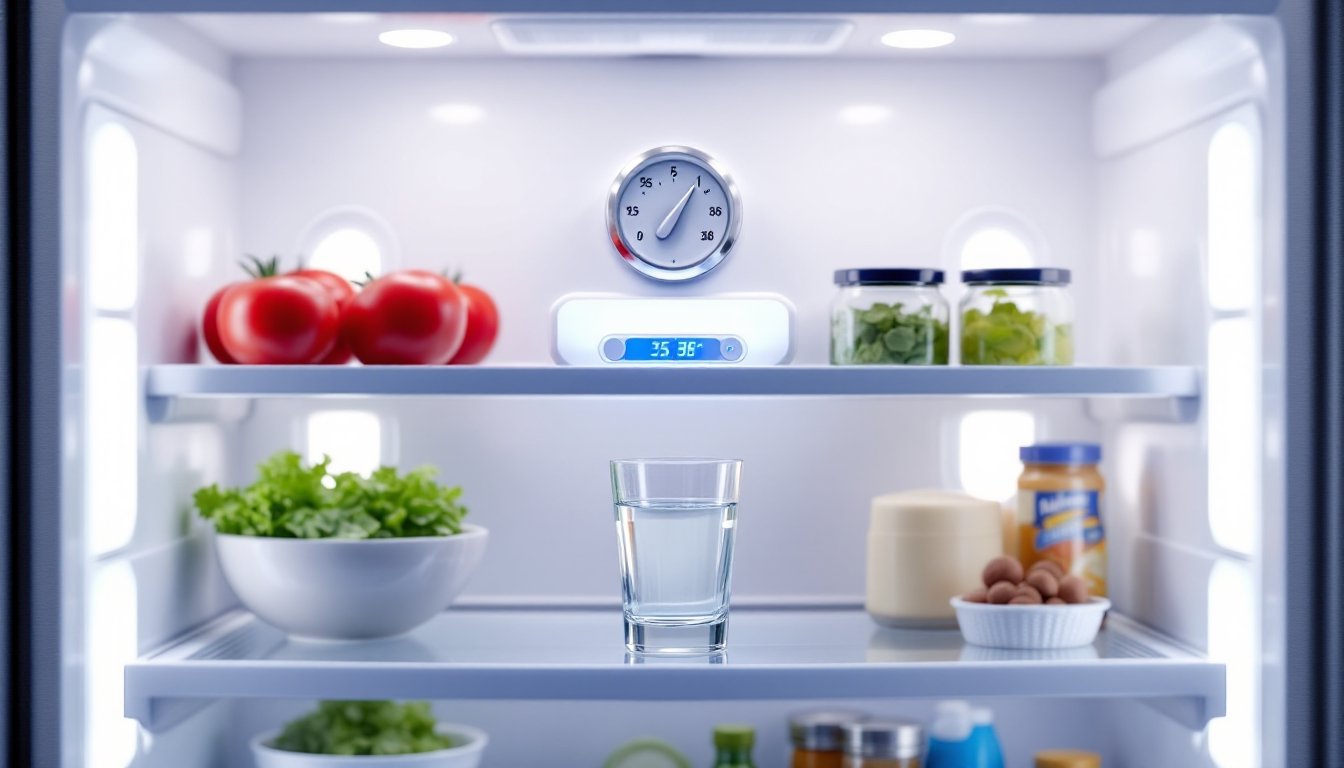
Inside the fridge, don’t overload shelves to the point where air can’t circulate. Set the fridge temperature to 37–40°F and the freezer to 0°F. These aren’t arbitrary numbers, they’re the zones where food stays fresh without unnecessary energy draw. If your Café refrigerator has adjustable temperature zones, use them. That produce drawer with humidity control isn’t just a nice feature: it actually works if you adjust it properly. Most DIYers forget to read the manual, but for a $2,000+ appliance, it pays to know the quirks of your specific model.
Is the GE Café Counter Depth Refrigerator Right for Your Home?
The GE Café counter depth refrigerator shines if you value design cohesion and have a kitchen layout that supports its footprint. Homeowners remodeling with custom or semi-custom cabinetry almost always choose counter depth, it’s the only way to achieve that integrated look. If you’re working with a galley kitchen or open-concept space where appliance visibility matters, counter depth is worth the slight loss of storage capacity.
But, if you’re feeding a family of six, have deep freezing needs, or can’t afford the premium pricing, a standard refrigerator might serve you better. Counter depth units cost $500–$1,000 more than comparable full-depth models. Capacity matters. Run the numbers: How often do you grocery shop? Do you meal-prep? Do you have kids’ sports schedules that mean packed lunches? A smaller fridge means more frequent shopping trips.
The Café line itself is reliable, GE has solid warranty coverage (typically 1 year full coverage, up to 5 years on the compressor) and parts are widely available. Customer reviews tend to be positive, though like any appliance, individual units occasionally fail. When you’re investing this much, extended warranties are worth considering: they typically add $300–$500 and cover compressor and cooling system repairs for 5–10 years. Weigh that peace of mind against your budget and risk tolerance. If your kitchen remodel is coming together and the counter depth aesthetic pulls the whole space together, the café series refrigerator counter depth model is a solid choice that balances form and function.