Table of Contents
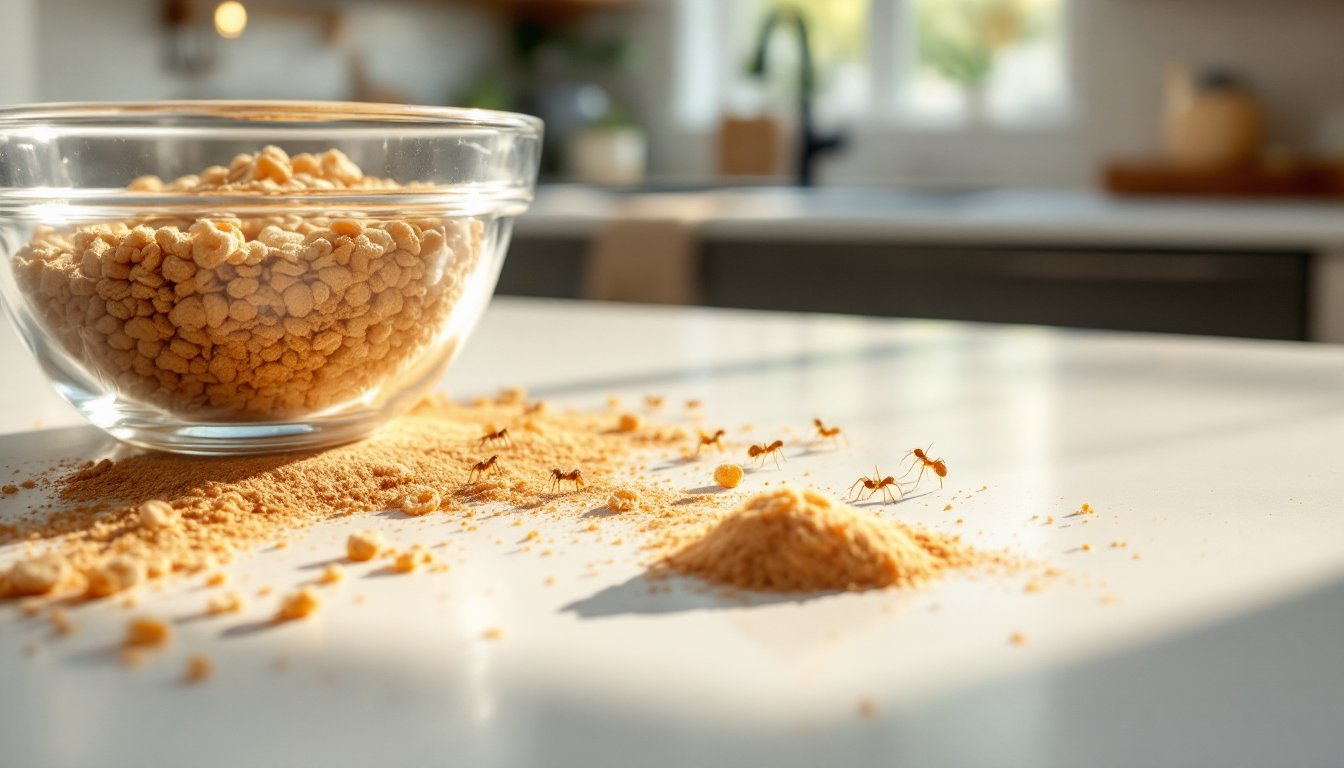
ToggleTiny ants marching across your kitchen counter aren’t just annoying, they’re a sign your home’s perimeter has a weak point. Whether you’re dealing with pharaoh ants, ghost ants, or the common pavement ant, small ants in your kitchen and beyond can multiply into a full-blown infestation within days. The good news: getting rid of them doesn’t require calling a professional or fumigating your entire house. With the right approach, combining immediate fixes, strategic baiting, and preventive measures, you can eliminate ants fast and keep them out for good. This guide walks you through proven solutions that actually work.
Key Takeaways
- Identify the specific ant species (pharaoh, ghost, or pavement ants) to choose the most effective bait and treatment strategy for your infestation.
- Baking soda and sugar baits eliminate entire colonies by poisoning the queen, making them a cheap and non-toxic solution for how to get rid of tiny ants in your house.
- Break ant pheromone trails by scrubbing surfaces with warm soapy water or vinegar, then eliminate food sources by storing items in airtight containers and cleaning up crumbs.
- Place gel baits directly on ant trails and leave them untouched for 3–5 days to allow ants to carry poison back to the colony, which is more effective than sprays that only kill visible ants.
- Use natural deterrents like cinnamon, coffee grounds, and citrus oil as preventive barriers to stop ants from returning to your home.
Identify Your Ant Problem
Before tackling treatment, figure out what you’re up against. Not all small ants behave the same way, and knowing the species helps you choose the right bait and approach.
Common Types of Small Indoor Ants
Pharaoh ants are pale yellowish and tiny (about 1/16 inch), and they’re attracted to greasy foods. They’re the ones you’ll spot marching in organized lines toward your pantry. Ghost ants have a two-toned body (dark head, pale abdomen) and prefer sugary foods. Carpenter ants are larger (1/4 inch) and brown or black, and they tunnel through wood, these require different treatment. Pavement ants, another common culprit, are dark brown and often enter homes from outdoor cracks. Look at where the ants are congregating and what they seem interested in. Are they swarming your sugar bowl or your leftover pizza? That tells you whether you’re dealing with sugar-loving or grease-loving species. This matters because different baits work better for different ants. Under a magnifying glass or phone camera zoom, note the ant’s size and color. Even a rough identification helps you pick the most effective elimination strategy.
Quick Fixes to Eliminate Ants Immediately
You need results fast. These methods work within hours and use items you likely have on hand.
Baking Soda and Sugar Baits
Mix equal parts baking soda and powdered sugar, then add just enough water to form a thick paste. The sugar attracts ants: the baking soda disrupts their digestive system. Place small dabs (about the size of a pea) along ant trails, near entry points, and anywhere you’ve seen scouts. Leave the bait undisturbed for 2–3 days. Ants carry the poisoned paste back to the colony, eliminating the queen and entire nest. This is cheap, non-toxic around kids and pets if used sparingly, and surprisingly effective for light to moderate infestations.
Cinnamon and Other Natural Deterrents
Cinnamon, coffee grounds, and citrus peels act as repellents that ants actively avoid. Sprinkle ground cinnamon along baseboards, window sills, and entry points. Place used coffee grounds in small dishes near problem areas, they’re free if you brew coffee daily. Citrus oil (lemon or orange) mixed with water in a spray bottle deters ants without harsh chemicals. These won’t eliminate an established colony, but they work well as preventive barriers and for light infestations. Reapply weekly, especially after cleaning, since their scent fades. The payoff is that your house smells better than if you’d used chemical sprays.
Break the Ant Trail and Cut Off Their Food Supply
Ants leave pheromone trails that others follow like a highway. Erase those roads and remove their reason to visit.
First, clean every surface where ants have traveled using warm soapy water (or a 50/50 vinegar-and-water mix). This breaks the scent trail and removes the chemical signals that guide other ants. Don’t just wipe: scrub baseboards, counters, cabinet edges, and the floor where you’ve seen traffic. Pay special attention to the kitchen, where grease residue reinforces the trail.
Next, lock down food sources. Store pantry items in airtight containers, open boxes and bags are ant magnets. Wipe down counters and sink before bed: don’t leave dishes in the sink overnight. Pet food bowls should be picked up after meals, not left sitting. Professional integrated pest management experts emphasize that sealing entryways and eliminating food sources is step one for lasting control. Crumbs and grease spots might seem insignificant, but they’re the anchor that keeps ants returning. A single scout finding food tells the whole colony to march in. Deny them that beacon, and they’ll move on to easier hunting grounds.
Use Ant Baits and Traps Strategically
For infestations that resist quick fixes, baits and traps are your heavy artillery. The trick is placing them where ants actually travel, not just anywhere.
Gel baits (liquid or paste in small plastic containers or stations) are highly effective. Popular brands include Terro, Raid, and store brands, they all contain similar active ingredients that disrupt the ant’s nervous system. Place baits directly on ant trails and along baseboards, about 1 foot apart. Leave them untouched for 3–5 days, even if you see ants swarming them. That’s the point, they’re taking poison back to the colony. Don’t spray or clean around baits: they need time to work. Expect to see dead ants for a week, then silence.
Ant traps (sticky or electronic) catch scouts before they establish routes but don’t eliminate the colony. They’re useful for monitoring and for light infestations. Place traps along suspected entry points and in corners.
Diatomaceous earth (food-grade, not pool-grade) is a powder that damages the ant’s exoskeleton, causing dehydration. Dust it along baseboards, under appliances, and in cabinet corners. It’s non-toxic to humans and pets at the doses used, but wear a dust mask when applying to avoid inhaling particles. Reapply after vacuuming or wet cleaning.
Home organization and cleaning techniques discussed on homemaking sites often recommend baits as the most reliable method for eliminating entire colonies rather than just visible ants. The reason baits outperform sprays: sprays kill what you see, but the queen survives and rebuilds the army within a week. Baits eliminate the source.