Table of Contents
ToggleWorking from home doesn’t mean sacrificing space or comfort. For homeowners juggling multiple roles, perhaps a home office that doubles as a guest room or a study nook tucked into a corner, a folding office chair offers a practical middle ground. Unlike bulky traditional office seating, foldable and collapsible office chairs collapse compactly when not in use, freeing up valuable square footage. This guide walks you through what makes these chairs essential for modern home offices, how to pick the right one for your space, and how to keep it performing well for years to come. Whether you’re furnishing a tight apartment or designing a flexible home workspace, understanding the mechanics and benefits of folding office chairs will help you make a decision that works for both your body and your floor plan.
Key Takeaways
- A folding office chair solves space constraints in home offices by collapsing to a compact footprint, freeing up valuable square footage for multi-use rooms and flexible workspaces.
- Modern folding office chairs deliver genuine ergonomic comfort with features like lumbar support, adjustable seat height, and breathable materials—so you don’t sacrifice body support for portability.
- Invest in mid-range folding office chairs ($150–$300) with sturdy metal frames rated for 250–300 pounds and a reliable folding mechanism to balance comfort, durability, and cost.
- Proper setup is essential: adjust seat height so thighs are parallel to the floor, position your monitor at eye level, and use a footrest if needed to prevent long-term strain.
- Regular maintenance—monthly vacuuming, quarterly inspections of the folding mechanism, and annual bolt checks—extends a quality folding chair’s lifespan to 5–7 years.
- Unlike traditional office chairs, folding models are renter-friendly, require no structural modifications, and can move with you if you relocate or redesign your workspace.
Why Folding Office Chairs Are Essential for Home Offices
The home office landscape has shifted dramatically. Many people no longer have a dedicated room: instead, they carve out workspace wherever they can fit it. A folding office chair directly addresses this reality by collapsing into a footprint not much larger than a briefcase. When the workday ends, you fold it up and store it in a closet, under a bed, or in a corner.
Beyond mere space conservation, collapsible office chairs reflect a practical design philosophy: don’t force your furniture to work against your floor plan. If you host guests, run errands, or use your workspace for other activities, you need seating that adapts. A fixed desk chair anchors a room, but a foldable alternative keeps your space flexible and functional.
Building codes and rental agreements rarely restrict furniture choice, but they do limit structural modifications. For renters or homeowners who prefer non-permanent solutions, a collapsible office chair is risk-free. No mounting hardware, no damage deposits at stake. This flexibility alone makes folding chairs indispensable for modern, multi-use home spaces.
Key Benefits of Folding Office Chairs
Ergonomics and Comfort Features to Look For
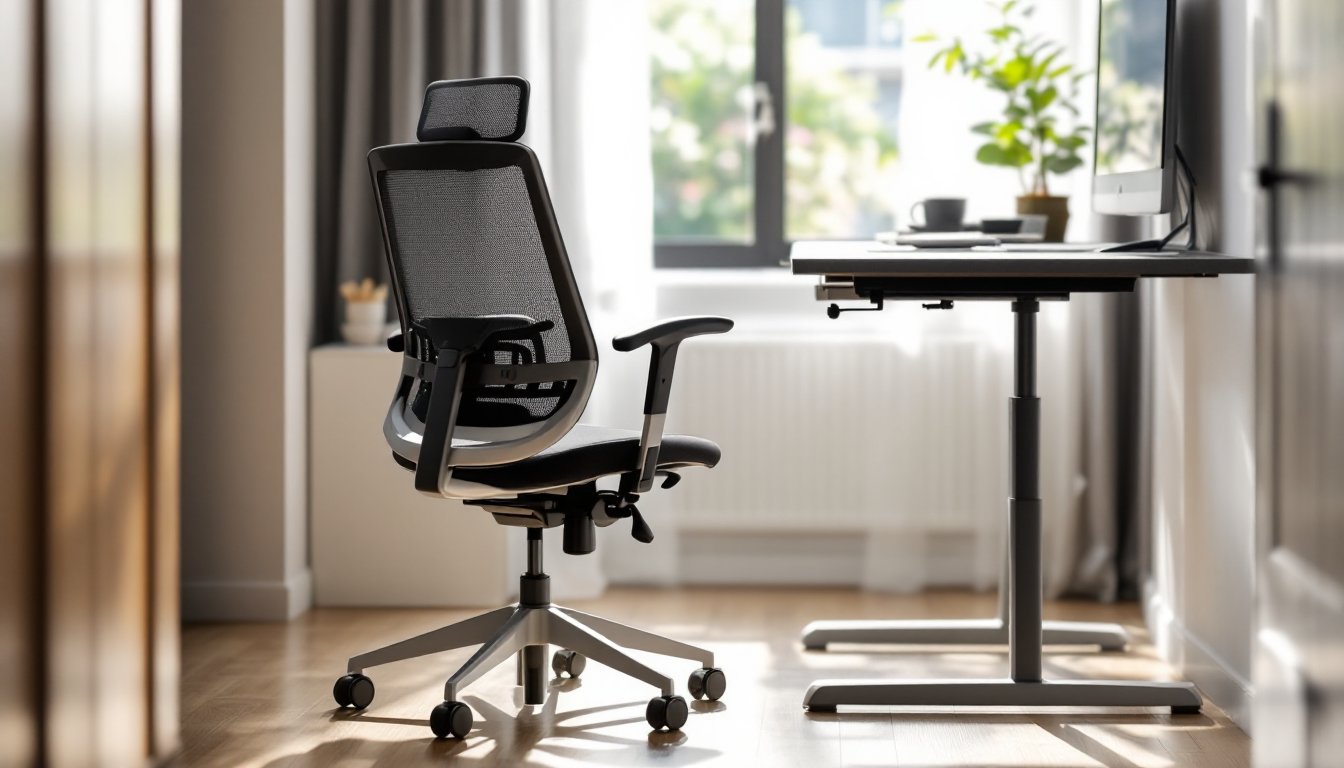
Don’t assume a foldable office chair sacrifices ergonomics for portability. Modern designs incorporate genuine comfort features: lumbar support, adjustable seat height, padded armrests, and breathable mesh or fabric. When shopping, look for a seat pan that’s at least 16 to 18 inches wide, too narrow and you’ll feel cramped during an eight-hour workday.
The backrest should recline slightly, supporting the natural curve of your spine. Pneumatic height adjustment (a gas cylinder that lets you raise or lower the seat) is standard even on budget-friendly folding models. Test the chair’s stability by pushing on the backrest with moderate force: a quality frame won’t wobble or flex. Armrests should be optional or adjustable because not everyone needs them, and they can get in the way during storage.
Also inspect the base and casters (wheels). Five-point bases with smooth-rolling casters offer stability, while four-point bases are lighter and more collapsible. Check that casters lock so the chair doesn’t roll unexpectedly when you’re settling in.
Storage and Portability Advantages
A collapsible office chair typically weighs between 15 and 25 pounds, light enough to carry with one hand, yet sturdy enough to support most body types and work styles. The folding mechanism uses either a simple push-down latch or a two-step release: either way, deployment takes seconds.
Storage footprint matters. Most folding models compress to dimensions around 30 inches tall, 24 inches wide, and 8 inches deep, fitting vertical storage in a closet or horizontal placement under furniture. Some portable designs include carry handles or built-in straps, turning your chair into mobile seating you can take to different rooms or even to a client meeting.
If your home office environment changes, say, you move to a smaller place or redesign your workspace, a folding chair moves with you. This adaptability is invaluable for homeowners who renovate or reorganize frequently. Unlike a traditional heavy office chair that requires professional moving help, a folding model is a one-person job.
How to Choose the Right Folding Office Chair
Start by measuring your space. Know the height from floor to desk surface (standard is 28 to 30 inches), and measure your available storage area. A chair’s seat height should sit 10 to 12 inches below your desk top when seated, with your feet flat on the floor and elbows at a 90-degree angle.
Next, consider material. Mesh breathes well and looks modern but shows dust: fabric offers softness and sound dampening: leather or vinyl wipes clean but can feel hot in summer. For a home office, mesh or breathable fabric is often the best choice because you’ll spend hours in the chair during a workday.
Weight capacity and frame construction are non-negotiable. A quality folding chair uses a metal frame (steel or aluminum) that’s rated for 250 to 300 pounds. Check product specifications and avoid rock-bottom prices: cheap frames can crease or crack after a few folds. Read user reviews specifically mentioning durability and fold longevity, if users complain about the mechanism wearing out after six months, keep looking.
Budget considerations: Entry-level folding office chairs run $80 to $150 and suit occasional use. Mid-range models ($150 to $300) add ergonomic refinements and better materials. Premium options ($300+) rival traditional office chairs in comfort but retain the foldable feature. For most homeowners, mid-range is the sweet spot, you get real comfort without overpaying for features you don’t need.
Finally, test the locking mechanism. Some chairs fold and unfold silently: others require a bit of persuasion. A smooth, reliable mechanism is worth the premium because you’ll use it dozens of times. Visit a showroom or order from a retailer with easy returns so you can confirm the chair works for your body and habits.
Setting Up Your Folding Office Chair for Maximum Comfort
Once your chair arrives, unbox it carefully and inspect for shipping damage. Some models ship partially assembled: read the manual to confirm whether any tools are needed. Most folding chairs require only a few minutes to unfold and adjust.
Set your chair in its permanent work location and adjust the seat height first. Sit down with your back against the backrest, feet flat on the floor. Your thighs should be parallel to the floor, not angled up or down. If your feet dangle, use a footrest (a simple one costs $20 to $40) to maintain proper posture. Conversely, if your knees bend sharply upward, your desk is too high, consider a keyboard tray that lowers your input surface without changing desk height.
Next, adjust armrest height if your model includes them. Armrests should barely touch your elbows when your arms are relaxed at your sides. Too high and they won’t support anything: too low and they’ll force your shoulders up, causing fatigue.
Tilt the backrest to support your lumbar curve. Most folding chairs allow a slight recline, find the angle that lets your shoulders relax without your torso sliding forward. If lumbar support feels insufficient, a small pillow or roll can bridge the gap.
Position your monitor, keyboard, and mouse so your eyes level with the top third of your screen, about 20 inches away. Poor screen positioning forces you to crane your neck, negating the benefit of good seating. Take a photo of your setup and revisit it monthly: over time, people unconsciously drift into poor posture. A quick quarterly reset prevents long-term strain. Many resources on apartment living and small-space solutions address ergonomic setup in compact home offices, offering additional inspiration.
Maintenance Tips to Extend Chair Longevity
A quality folding office chair can easily last five to seven years with minimal care. Start with cleanliness. Dust and debris accumulate in crevices and under the seat, wearing down fabric and stressing mechanical joints. Vacuum your chair monthly using an upholstery brush attachment, and wipe metal parts with a soft, dry cloth.
For fabric stains, blot (don’t rub) with a barely damp cloth and mild soap solution. Scrubbing can push the stain deeper and damage fibers. Test any cleaner on a hidden area first. Mesh panels can be gently brushed with a soft-bristled brush to restore appearance.
Inspect the folding mechanism every few months. Open and close the chair a few times, listening for grinding or squeaking. A light silicone lubricant on hinges and latch points keeps everything smooth: avoid heavy oils that attract dust. If the mechanism feels stiff, don’t force it, apply lubricant and wait a few hours, then try again.
Check all bolts and fasteners annually. A simple hex key set (available at any hardware store) tightens loose connections in seconds. Tighten gently: over-tightening plastic components can crack them. If a plastic part cracks or a joint fails, most manufacturers sell replacement parts affordably.
When folding for storage, do it gently. Treat the mechanism as you would a watch hinge, deliberate, not rushed. Store your chair in a cool, dry place away from direct sunlight, which fades fabric and can weaken some plastics over time. Many home design resources at Young House Love highlight how thoughtful furniture maintenance extends the life and appearance of workspace pieces, an approach that serves budget-conscious homeowners well.