Table of Contents
ToggleYour GE dishwasher is displaying an H20 error code, and now you’re wondering what went wrong. The good news? This error doesn’t always mean a trip to the repair shop. The H20 error on a GE dishwasher typically indicates a water supply or water inlet issue, something that, with a bit of troubleshooting, you might be able to fix yourself. Whether it’s a kinked hose, a clogged filter, or a simple connection problem, many homeowners have resolved this without calling a technician. This guide walks you through the most common causes and practical fixes so you can get your dishwasher running again.
Key Takeaways
- The GE dishwasher H20 error indicates a water supply or water inlet issue that often can be resolved through basic troubleshooting before calling a technician.
- Check for kinked hoses, verify the water supply valve is fully open, and ensure your home’s water pressure is between 20–60 psi to restore proper water flow.
- Clean or replace the inlet screen filter, which commonly clogs with mineral deposits and sediment—a quick fix that takes under 10 minutes and costs $10–20 if replacement is needed.
- Perform a soft reset by holding the Start button for 3–5 seconds, or a hard reset via the circuit breaker for 30 seconds, as sensor glitches sometimes trigger false H20 errors.
- Call a professional appliance repair technician if troubleshooting doesn’t resolve the error; inlet valve replacement typically costs $150–400 and is usually more affordable than replacing the entire dishwasher.
Understanding the H20 Error Code
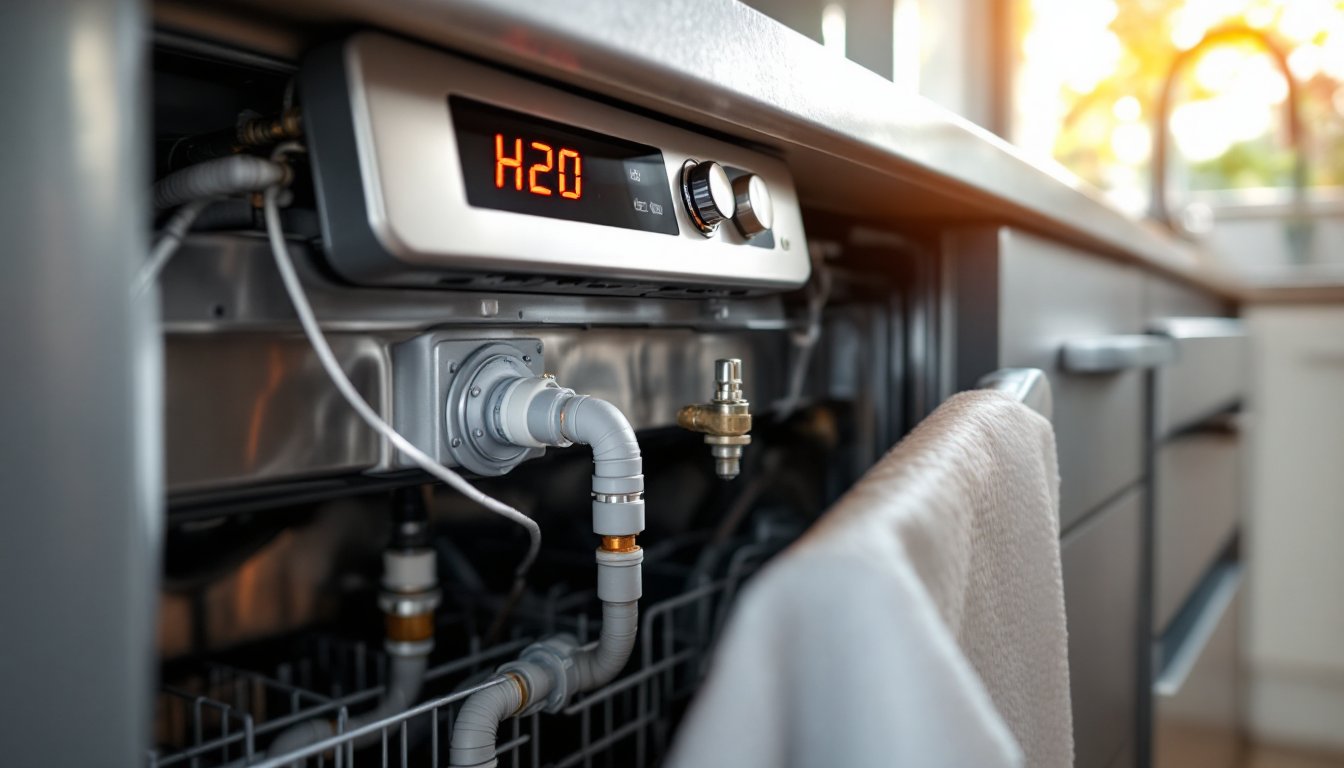
The H20 error code on a GE dishwasher is the appliance’s way of saying it didn’t get enough water during the fill cycle. This error appears when the dishwasher’s water inlet valve fails to open properly, or when water simply isn’t reaching the appliance as expected. Think of it as a safety mechanism, the dishwasher won’t proceed with a wash cycle without confirming adequate water flow.
Water supply issues are the most frequent culprit, but the problem can also stem from a faulty inlet valve, a blocked filter, or even air trapped in the water line. Understanding the root cause is the first step toward a fix. Before you panic or schedule a service call, spend a few minutes checking the basics. Most H20 errors resolve with straightforward troubleshooting, and you’ll save yourself time and money by starting there.
Check Your Water Supply Connection
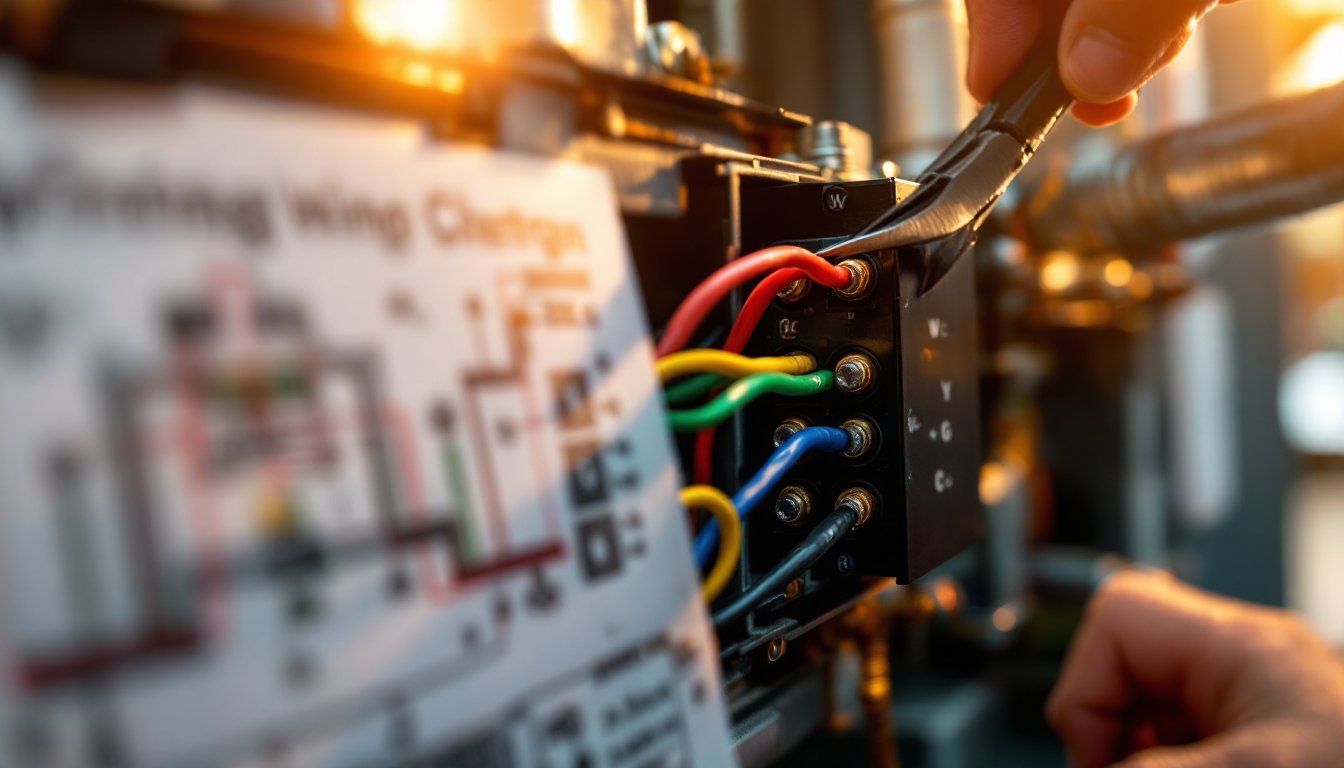
The water supply valve and inlet hose are the most common culprits behind the H20 error. Start by shutting off the water valve behind your dishwasher (usually located under the sink, next to the hot water line) and inspecting the inlet hose for any obvious damage, kinks, or pinches. A kinked hose is like a garden hose twisted at the faucet, water can’t flow properly even if everything else is fine.
Also check that the water supply valve is fully open. Turn it counterclockwise all the way (or confirm it’s not partially closed). If you’ve recently done work under the sink, someone may have accidentally turned it halfway off. While you’re there, verify that your home’s water pressure is adequate, you need at least 20–60 psi for the dishwasher to register proper flow. If your home has low water pressure, that’s a separate issue worth discussing with a plumber.
Inspect the Water Inlet Valve
The water inlet valve sits where the inlet hose connects to the dishwasher. This valve opens and closes to control water flow, and if it’s stuck or blocked, the dishwasher can’t fill. Turn off the water supply and locate the inlet valve underneath your unit. If you’re comfortable unscrewing the connection, do so gently and look inside the inlet for debris, mineral deposits, sediment, or other particles that might obstruct flow. You can rinse it with clean water if you spot blockage. Reconnect the hose, turn the water back on, and run a short cycle to test. If the error persists, the valve itself may need replacement, which is when a professional becomes helpful.
Clean or Replace the Water Filter
Many GE dishwashers have an inlet screen filter that catches sediment and minerals before they reach the valve. Over time, especially if you have hard water or mineral-heavy supply, this filter clogs and restricts water flow enough to trigger the H20 error. Locating and cleaning the filter is straightforward and takes just a few minutes.
Turn off the water supply and unscrew the inlet hose from the dishwasher. At the connection point, you’ll find a small mesh screen, that’s your filter. Unscrew or unclip it (depending on your model) and hold it up to the light. If it looks discolored, cloudy, or coated with deposits, it needs cleaning. Rinse it thoroughly under warm running water, use an old toothbrush if needed to scrub away mineral buildup, and reinstall it securely. Reattach the inlet hose, turn the water back on, and test the dishwasher with a short cycle.
If the filter is severely damaged or cleaning doesn’t resolve the error, replacement filters are inexpensive (typically $10–20) and available at hardware stores or online. A fresh filter improves water flow and often eliminates the H20 error in one shot. This is preventive maintenance worth doing every 1–2 years if you have hard water, and it’s a project any homeowner can handle in under 10 minutes.
Reset Your Dishwasher
Sometimes the H20 error is a false alarm, the dishwasher’s control board has glitched and isn’t properly reading the water sensor. A reset often clears this. There are two simple methods to try.
First, locate the dishwasher’s control panel and hold the Start button (or the button specified in your manual for a reset) for 3–5 seconds until the display clears. This soft reset often resolves temporary sensor errors without erasing your settings. If that doesn’t work, perform a harder reset by turning off power to the dishwasher at the circuit breaker for at least 30 seconds, then turning it back on. Wait a minute for the unit to reinitialize, then run a short test cycle.
If the error reappears immediately, the problem isn’t a sensor glitch, it’s a genuine water supply or valve issue. That’s your signal to move on to the next step or call for professional help. But don’t skip the reset: it takes two minutes and solves the problem in cases where the control board is simply confused. References like GE dishwasher error codes detail what each code means and can help you confirm the diagnosis.
When to Call a Professional
If you’ve checked the water supply, cleaned the filter, reset the dishwasher, and the H20 error still appears, it’s time to bring in a technician. The water inlet valve may be electrically faulty, the control board sensor might be broken, or there could be an internal water line issue inside the unit that requires professional diagnosis.
A service call typically costs $100–300 for diagnosis and labor, depending on your area and the repair needed. Inlet valve replacement, if required, runs another $150–400. While that’s not cheap, it’s often more cost-effective than replacing the entire dishwasher, especially if the unit is relatively new. Before you schedule service, confirm your dishwasher’s age and whether it’s still under warranty. Many GE dishwashers come with a one-year manufacturing warranty that covers water inlet failures.
Also, if you’re uncomfortable working with water connections or electrical components, don’t force it. There’s no shame in letting a pro handle it, you’ll avoid potential water damage and ensure the job is done right. A licensed appliance repair technician has seen every variation of the H20 error and will resolve it efficiently. Resources like Popular Mechanics offer guidance on when to DIY and when to call in help for various home projects.
Conclusion
The GE dishwasher H20 error is frustrating, but it’s rarely the end of the story. Start with the basics, check your water supply valve, inspect the inlet hose for kinks, and clean the inlet filter. A soft reset often surprises people with how often it works. If none of these steps resolves the error, a professional repair is your next move. Most homeowners can handle the initial troubleshooting themselves and save a service call in the process. By catching water supply issues early, you’ll also keep your dishwasher running smoothly for years to come.