Table of Contents
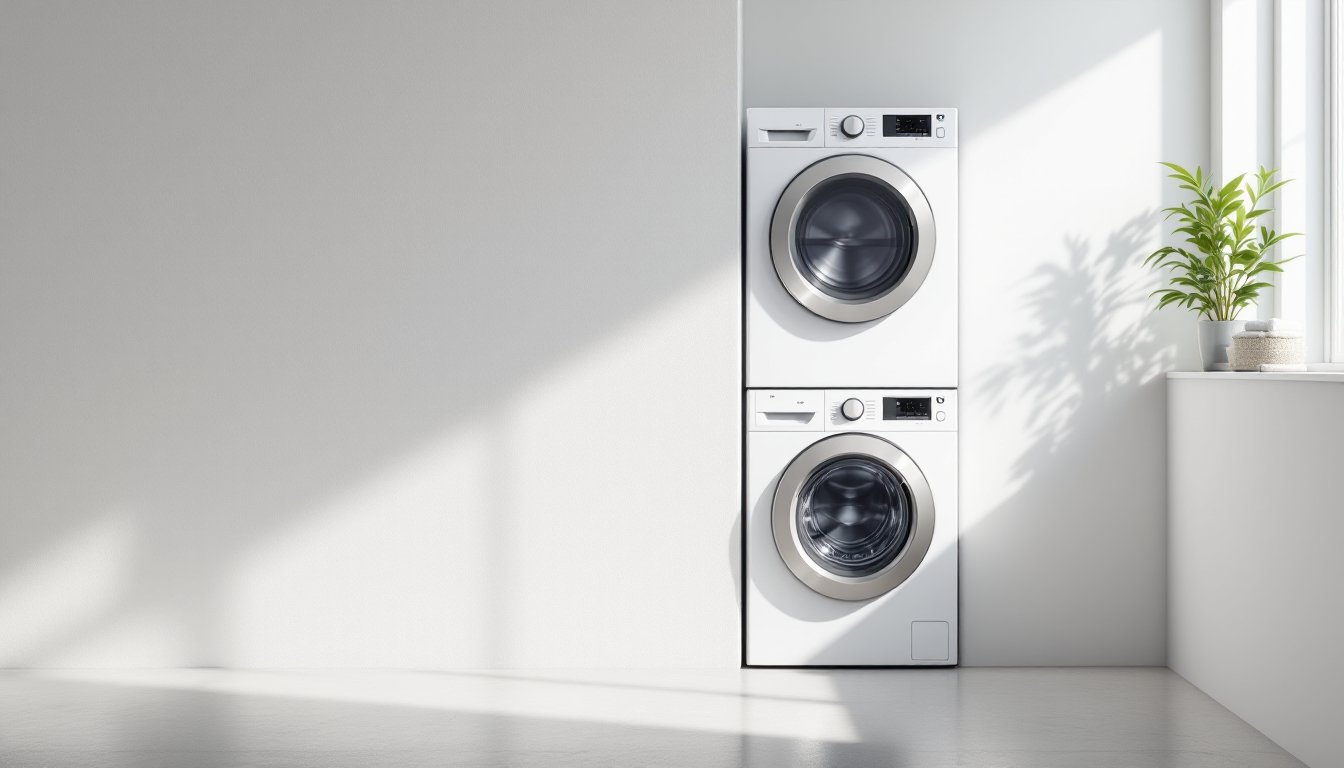
ToggleIf you’re spending more time wrestling with laundry than actually enjoying your home, it might be time to upgrade. An Asko washer and dryer set represents a practical investment for homeowners who value both performance and durability. Unlike budget-grade appliances that seem to require a professional to decode their cycles, Asko machines deliver straightforward functionality backed by Swedish engineering. Whether you’re refreshing an old laundry room or building one from scratch, understanding what these appliances bring to the table helps you make a decision that actually fits your household’s real needs.
Key Takeaways
- Asko washer and dryer sets combine Swedish engineering with simple, intuitive controls and durable construction designed to last 10–15 years, reducing long-term ownership costs.
- Front-loading Asko washers use significantly less water (12–15 gallons per cycle) compared to traditional top-loaders (27–40 gallons), delivering measurable savings on utility bills and environmental impact.
- Asko dryers feature moisture-sensing technology and low-heat cycles that prevent over-drying, protecting fabrics while reducing energy waste and noise compared to budget appliances.
- Proper installation requires attention to water connections, vent routing, and electrical specifications—gas connections should be handled by licensed professionals, while electric dryers need a dedicated 240-volt circuit.
- Routine maintenance like annual inlet screen checks, lint trap cleaning after every load, and quarterly vent cleaning keeps your Asko machines running efficiently and safely for decades.
Why Asko Appliances Stand Out for Today’s Homeowners
Asko has built its reputation on simplicity and reliability, two things that matter when you’re juggling family schedules and want your appliances to work as hard as you do. The brand focuses on uncomplicated controls and robust construction rather than stacking on features you’ll never use. Many homeowners appreciate that Asko washers and dryers don’t require a tech degree to operate: load, select your cycle, and go.
Durability is another reason Asko gains traction among DIY-minded households. These machines are engineered to last, which matters when you’re factoring in the real cost of ownership. A cheaper unit that fails in five years looks expensive in hindsight. Asko builds with corrosion-resistant stainless steel components and heavy-duty motors designed to handle the daily grind without requiring constant repairs.
Value-conscious homeowners also recognize that an Asko washer and dryer combo reduces the complexity of laundry day. When both machines share compatible cycles and logical controls, you’re not fumbling between two different interfaces. This consistency pays dividends if you’re installing a new laundry room or renovating an existing one, your setup becomes more streamlined, and maintenance becomes more predictable.
Key Features and Technology in Asko Washers
Asko washers emphasize gentle yet effective cleaning through their drum and agitator design. The stainless steel drum features precision-engineered perforations that hold fabrics securely while water and detergent do the work. Unlike older machines that could snag or damage delicate items, Asko’s tumble action protects your clothes while still extracting dirt.
Cycle options on Asko washers range from quick 15-minute express cycles for lightly soiled items to extended soak cycles for heavily soiled workwear. The logic here is straightforward: match the cycle to the job rather than forcing everything through a one-size-fits-all wash. You’ll find standard cotton, synthetic, delicate, and heavily soiled options on most models.
Temperature control gives you real flexibility. Hot water cuts through grease and bacteria, while cold water preserves color and uses less energy. Asko machines let you dial in exactly what you need without overcomplicating the choice.
Water and Energy Efficiency
An Asko washer’s water consumption sits below industry averages, which matters both for your utility bill and environmental impact. Front-loading models use substantially less water than top-loaders because the drum tumbles clothes through a concentrated detergent solution rather than soaking them. A typical Asko front-loader uses around 12–15 gallons per cycle compared to 27–40 gallons for traditional top-loaders.
Energy efficiency follows the same practical approach. Asko machines carry ENERGY STAR certification on qualifying models, meaning they meet Department of Energy standards without sacrificing performance. The combination of efficient motors, shorter cycle times on select programs, and optimized water heating contributes to lower operating costs. According to resources like best energy efficient appliances available, models like the Asko deliver measurable savings over a machine’s 10–15 year lifespan.
If your home runs on well water or you live in an area with high water rates, the efficiency gains become even more apparent in your monthly costs.
What to Expect From Asko Dryers
Asko dryers complement their washers with similar emphasis on reliability and fabric care. The drum rotates smoothly on ball bearings designed for thousands of cycles, reducing vibration and noise compared to cheaper machines. A quieter dryer means you’re not broadcasting laundry day to the entire neighborhood, or waking someone sleeping upstairs.
Most Asko dryers offer both electric and gas variants, so you can choose based on your home’s utility setup and your preference. Gas dryers typically run hotter and dry faster, while electric models offer flexibility if you’re working with existing wiring in your laundry room. Installation considerations differ between the two, so confirm your home’s infrastructure before ordering.
Control panels feature straightforward dials or digital displays depending on the model. You set temperature (high, medium, low, or auto-sense) and cycle time, then the machine does its job. No hidden menus or confusing touchscreen delays, just honest functionality.
Drying Performance and Fabric Care
Asko dryers employ moisture-sensing technology on many models, meaning the machine detects when clothes reach the right dryness level and stops automatically. This prevents over-drying, which degrades fabrics and wastes energy. You can also opt for timed dry if you prefer more control or need to program a delayed start.
Delicate fabrics benefit from the lower-heat cycles available on Asko machines. Synthetics, woolens, and items prone to shrinkage dry safely on gentle settings without requiring careful attention or manual intervention. The drum’s rotational design keeps fabric tumbling evenly, preventing crease buildup that occurs when clothes sit in a heap.
Venting requirements follow standard practice: Asko dryers need a clear, unobstructed duct path to the outside. A clogged vent reduces efficiency dramatically and increases fire risk, so plan your installation route carefully. If you’re working in a tight laundry closet, confirm that ductwork can reach an exterior wall without excessive bends or constrictions.
Installation and Maintenance Tips for Your Asko Laundry Set
Installing an Asko washer and dryer requires some planning but remains within reach for homeowners with basic mechanical aptitude. You’ll need to confirm your space dimensions, measure height, width, and depth carefully since these are precision European machines and won’t fit through tight doorways without accounting for trim or framework. Most Asko models measure between 33–34 inches wide, 31–32 inches deep, and 33–34 inches tall, but verify your specific model’s specs before finalizing your laundry room layout.
Washer installation starts with water supply connections. Shut off your home’s main water valve, then attach hot and cold inlet hoses using the supplied washers and fittings. Wrap teflon tape around the fitting threads to prevent leaks, this is a detail that separates amateur from solid work. Outlet drainage requires a standpipe or laundry sink positioned higher than the washer’s drain valve: the hose should loop upward before dropping into the drain to create a siphon break and prevent backflow.
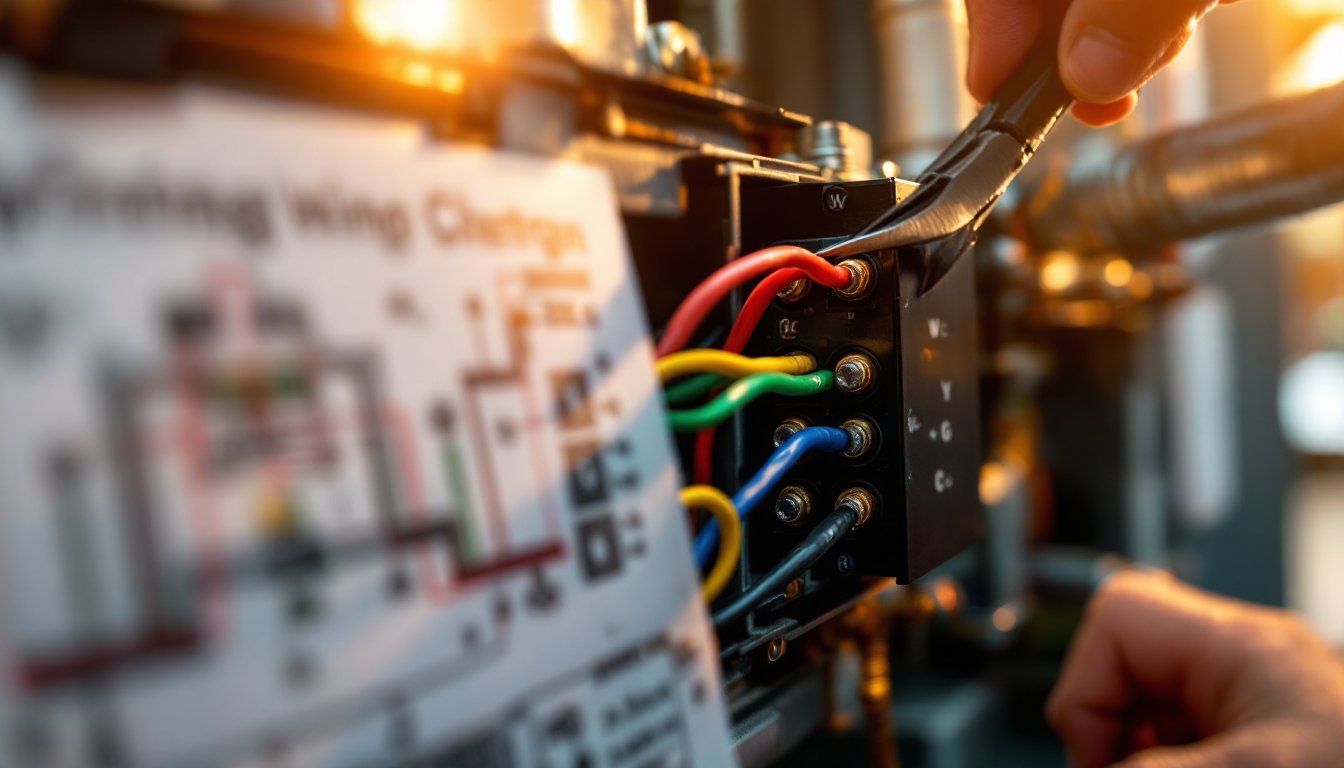
Dryer installation hinges on your fuel choice and existing infrastructure. If installing a gas dryer, you’ll likely need a licensed professional to handle the gas line connection, this isn’t a DIY job due to code requirements and safety considerations. Electric dryers demand a dedicated 240-volt circuit with proper breaker sizing (typically 30 amps). If your panel lacks a suitable breaker or the existing wiring won’t reach your laundry space, consult an electrician before purchasing.
Venting setup matters more than many homeowners realize. Rigid metal ductwork runs cleaner and longer than flexible ducts without pinching or sagging. Keep runs as short and straight as possible: each 90-degree elbow effectively adds 5 feet to the vent run length, increasing drying time and fire risk. Dryer vent dampers close automatically when the dryer shuts off, preventing reverse airflow and drafts.
Maintenance keeps both machines running reliably for decades. Check washer inlet hose screens annually, mineral deposits can clog them, reducing water flow. For dryers, clean the lint trap after every load (this is non-negotiable for both efficiency and safety), and vacuum the exterior vent opening quarterly. If your dryer takes noticeably longer to dry loads, the vent likely needs professional cleaning. Resources like Bob Vila’s home improvement guides offer detailed walkthrough for routine appliance care that extends machine life.
Once yearly, run your washer through a cleaning cycle with a commercial washer cleaner to remove detergent buildup, mold, or mineral deposits. This takes 30 minutes and prevents odors and performance drops.
Conclusion
An Asko washer and dryer delivers predictable, durable performance that rewards homeowners willing to invest in quality upfront. You’re not paying for unnecessary frills, you’re paying for machines that work intuitively, last for years, and keep your clothes in good condition. Smart installation and basic maintenance ensure these appliances serve your household reliably, making laundry day less of a frustration and more of a routine task that just works.