Table of Contents
ToggleIf someone in your household struggles with asthma, you already know how indoor air quality can make or break a good night’s sleep. Dust, pet dander, pollen, and mold spores don’t take days off, they’re lurking in your home right now, aggravating airways and triggering flare-ups. An air purifier for asthma isn’t just another appliance: it’s a practical defense system that runs quietly in the background, filtering out the irritants that keep your family reaching for inhalers. Whether you’re dealing with seasonal allergies or year-round sensitivities, the right air purifier can noticeably reduce symptoms and improve how everyone in your home feels. This guide walks you through what to look for, where to place your unit, and how to keep it working at peak performance.
Key Takeaways
- An air purifier for asthma reduces triggers like dust mites, pollen, and mold spores by filtering indoor air that is often 2–5 times more polluted than outdoor air.
- True HEPA filtration is essential—look for units with HEPA-certified filters that capture 99.97% of particles 0.3 microns or larger, and avoid false “HEPA-type” labels.
- Choose a purifier rated for your room’s square footage with a CADR score of at least 200 for dust and pollen, and ensure quiet operation under 50 dB.
- Position your air purifier in a central location with 12 inches of clearance on all sides, prioritizing the bedroom for maximum benefit during sleep when asthma symptoms often worsen.
- Replace True HEPA filters every 6–12 months and pre-filters every 1–3 months; run your purifier 24/7 or continuously during sleeping hours to maintain consistent air quality and reduce asthma flare-ups.
Why Air Quality Matters for Asthma Sufferers
Indoor air is often two to five times more polluted than outdoor air, even in cities with poor air quality. That’s because homes are sealed environments, your HVAC system circulates the same air repeatedly, trapping particles and allergens. For someone with asthma, this becomes a real problem. Irritants like dust mites, pet hair, pollen, and mold spores don’t just sit in the air: they settle on surfaces and get stirred back up every time someone walks across the carpet or adjusts a ceiling fan.
When an asthmatic breathes in these particles, their airways inflame, mucus production increases, and breathing becomes labored. It’s not just uncomfortable: it can escalate to serious attacks that require emergency treatment. Keeping air clean reduces these triggers at their source. A quality air purifier works alongside other controls, washing bedding weekly, using allergen-proof pillowcases, and keeping humidity between 30 and 50%, to create an environment where asthma symptoms decline noticeably. Medical research consistently shows that homes with clean air have fewer asthma-related ER visits and better overall respiratory health.
Key Features to Look For in an Asthma-Friendly Air Purifier
Not all air purifiers are created equal, and skimping on the wrong feature can leave you with an expensive fan that barely helps. Start with your room size. Manufacturers rate purifiers by coverage area (measured in square feet), and you want a unit that cycles the air in your target room at least three to five times per hour. If you’re treating a 400-square-foot bedroom, you need a purifier rated for that space, not one designed for 200 square feet.
Next, look at the Clean Air Delivery Rate (CADR) on the label. This number tells you how quickly the unit removes dust, smoke, and pollen. For asthma relief, aim for a CADR score of at least 200 for dust and pollen. You’ll also want a quiet unit: running a purifier 24/7 only works if it doesn’t sound like a jet engine at midnight. Check the decibel rating, anything under 50 dB is whisper-quiet during normal operation.
HEPA Filtration and Beyond
If there’s one non-negotiable feature for asthma sufferers, it’s a HEPA filter (High-Efficiency Particulate Air). These filters capture 99.97% of particles 0.3 microns or larger. That’s small enough to trap dust mite waste, pollen, and most mold spores. True HEPA filters are made of layered fiberglass and require significant airflow to work, which is why they add a bit of bulk to the purifier’s housing.
Don’t confuse HEPA with “HEPA-type” or “HEPA-like”, those are marketing labels for filters that don’t meet the official standard and won’t perform as well. Look for packaging that says “True HEPA” or “HEPA certified.” Many units combine HEPA with a pre-filter that catches larger particles (dust, hair) before they reach the HEPA stage, extending the HEPA filter’s life. Some models also include activated carbon filters to neutralize odors and volatile organic compounds (VOCs), which is a nice bonus if you have chemical sensitivities alongside asthma.
According to reviews from 9 Best Air Purifiers, models with multi-stage filtration outperform single-filter designs for sustained allergen removal.
Additional Features That Make a Difference
Some purifiers include sensors that detect air quality in real time and adjust fan speed automatically. This is genuinely useful, the unit runs quietly when air is clean and ramps up when it detects dust or particles. Others have smart home integration, letting you schedule cycles or check filter status from your phone. Wi-Fi connectivity isn’t essential, but it’s handy if you’re the type who remembers to change filters more often when you get a notification.
For asthma sufferers, an ionizer feature is optional and worth discussing. Ionizers release negatively charged ions that attach to particles and make them heavier so they settle out of the air faster. They work, but some people find the byproduct (ozone, in small amounts) triggers their symptoms. Read reviews or test one in a store before committing. Also, consider filter replacement costs and availability. A purifier is only as good as the filters you can afford to swap out every 6 to 12 months, don’t buy a model where replacement filters cost more than the unit itself or aren’t readily available.
Where to Place Your Air Purifier for Maximum Effectiveness
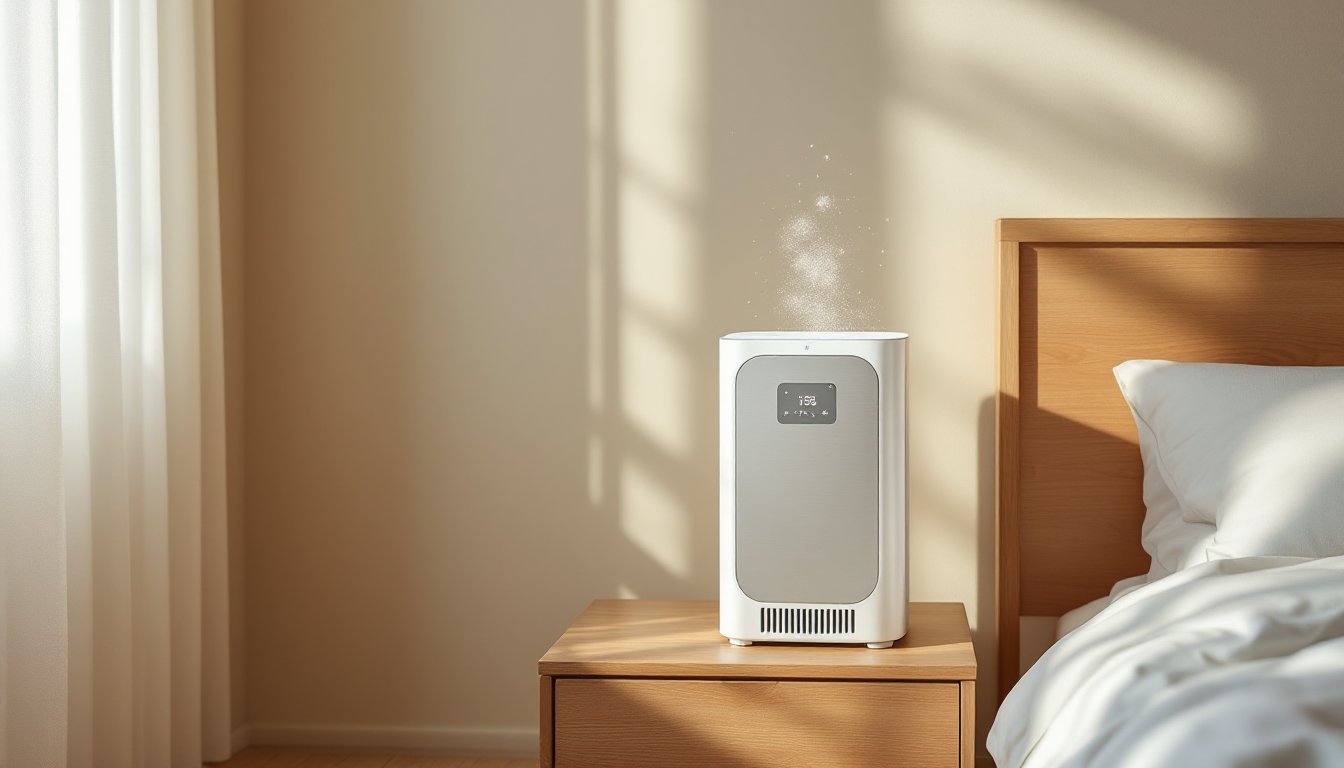
Where you park your purifier matters more than most people realize. The goal is to position it so air flows freely through the intake and exhaust without obstacles. Don’t tuck it in a corner or behind furniture where airflow gets blocked. Instead, place it in a central location in the room, a nightstand in the bedroom or a side table in the living room works well. Make sure there’s at least 12 inches of clearance on all sides, especially around the intake vents.
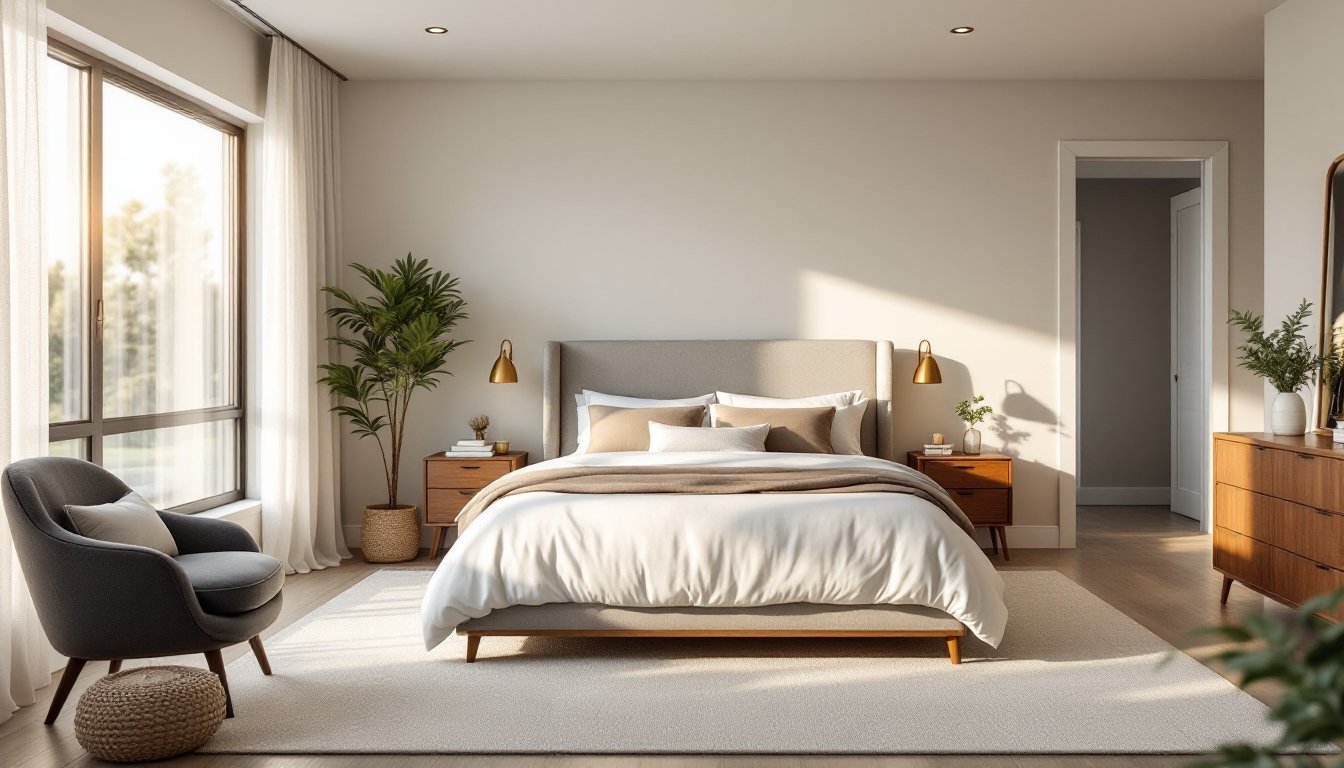
For bedrooms, put the purifier on a nightstand or dresser at about shoulder height when you’re lying down. This positions the clean air output right where you breathe while sleeping. If you’re treating a whole-house situation, one large unit in the main living space beats multiple small ones in every room (unless you have a very large home). Most of the day, you’re moving around the house, but at night, you’re stationary in the bedroom, so that’s the priority location.
Door gaps and windows matter, too. If you leave the bedroom door cracked open during the night, some cleaned air escapes into hallways and unconditioned spaces. Close doors when you’re sleeping to keep cleaned air concentrated where it benefits you most. In allergy season or during high pollen days, you might close windows and lean on the purifier rather than opening for fresh air, yes, it feels stuffy, but it’s the trade-off for relief when outdoor air quality is poor.
Maintenance Tips to Keep Your Purifier Running Smoothly
A purifier only works if you maintain it, and most failures happen because people ignore the filter. Check the filter every month by looking at its color: dark gray or brown means it’s time to replace it. True HEPA filters typically last 6 to 12 months depending on air quality and how often the unit runs. Mark your calendar for the first replacement, don’t guess.
Pre-filters, if your model has them, might need swapping every 1 to 3 months. They trap the big stuff and extend HEPA life, so keeping them clean is a real investment in your unit’s long-term performance. Activated carbon filters degrade faster than HEPA: replace them every 3 to 6 months if you’re using them to control odors.
Keep the exterior housing and intake vents clean, too. Dust builds up on the exterior and can reduce efficiency. A damp cloth and mild soap wipe it down without harming electronics. Don’t use harsh chemicals or abrasive sponges. Simple cleaning hacks from Real Simple outline dust-busting techniques that apply to appliance maintenance as well.
When you buy replacement filters, confirm they’re genuine parts from the manufacturer. Knockoff filters cost less but don’t seal properly and let unfiltered air bypass them, defeating the whole purpose. Run your purifier 24/7 or at minimum during sleeping hours year-round, not just when seasonal allergies peak. Consistent operation prevents particle buildup and keeps your air quality steady.
Conclusion
An air purifier isn’t a cure for asthma, but it’s one of the most effective tools for reducing triggers and improving daily comfort. Start with the right unit for your space, one with True HEPA filtration, appropriate CADR, and a suitable coverage area. Place it strategically, maintain it religiously, and you’ll notice your household breathing easier within weeks. Home improvement experts at The Spruce emphasize that appliance selection and placement are foundational to livable indoor environments. Pair your purifier with other asthma-friendly habits, and you’ve built a real defense against the particles that disrupt sleep and trigger flare-ups.