Table of Contents
ToggleIf you’ve ever noticed dust accumulating on surfaces just days after cleaning, or if family members wake up sneezing and congested, dust mites might be your unwelcome roommates. These microscopic creatures thrive in bedding, upholstery, and carpets, feeding on dead skin cells and leaving behind allergens that trigger respiratory issues and allergies in millions of homes. While vacuuming and washing linens help, an air purifier designed to capture dust mites and their byproducts offers a targeted defense that runs 24/7. This guide walks you through what to look for in a dust mite air purifier, how they work, where to place them, and how to pair them with other strategies for a genuinely cleaner home.
Key Takeaways
- A true HEPA filter is essential for an effective air purifier for dust mites, capturing 99.97% of particles as small as 0.3 microns where dust mite allergens cluster.
- CADR (Clean Air Delivery Rate) of 200+ for dust and 4–5 air changes per hour (ACH) ensure your purifier effectively removes allergens from bedroom and living spaces.
- Continuous operation on low speed is more effective than intermittent high-speed use, as dust mites re-emerge throughout the day and the purifier uses minimal electricity.
- Strategic placement away from walls and directed toward your breathing zone, combined with monthly filter checks and replacements every 6–12 months, maximizes air purifier performance.
- Pairing an air purifier with humidity control (40–50%), weekly hot-water washing of bedding, and HEPA-filtered vacuums creates a comprehensive defense against dust mite allergens.
- Within a few weeks of consistent use, a quality dust mite air purifier combined with complementary strategies noticeably improves sleep quality and reduces respiratory symptoms.
Why Dust Mites Matter For Your Home and Health
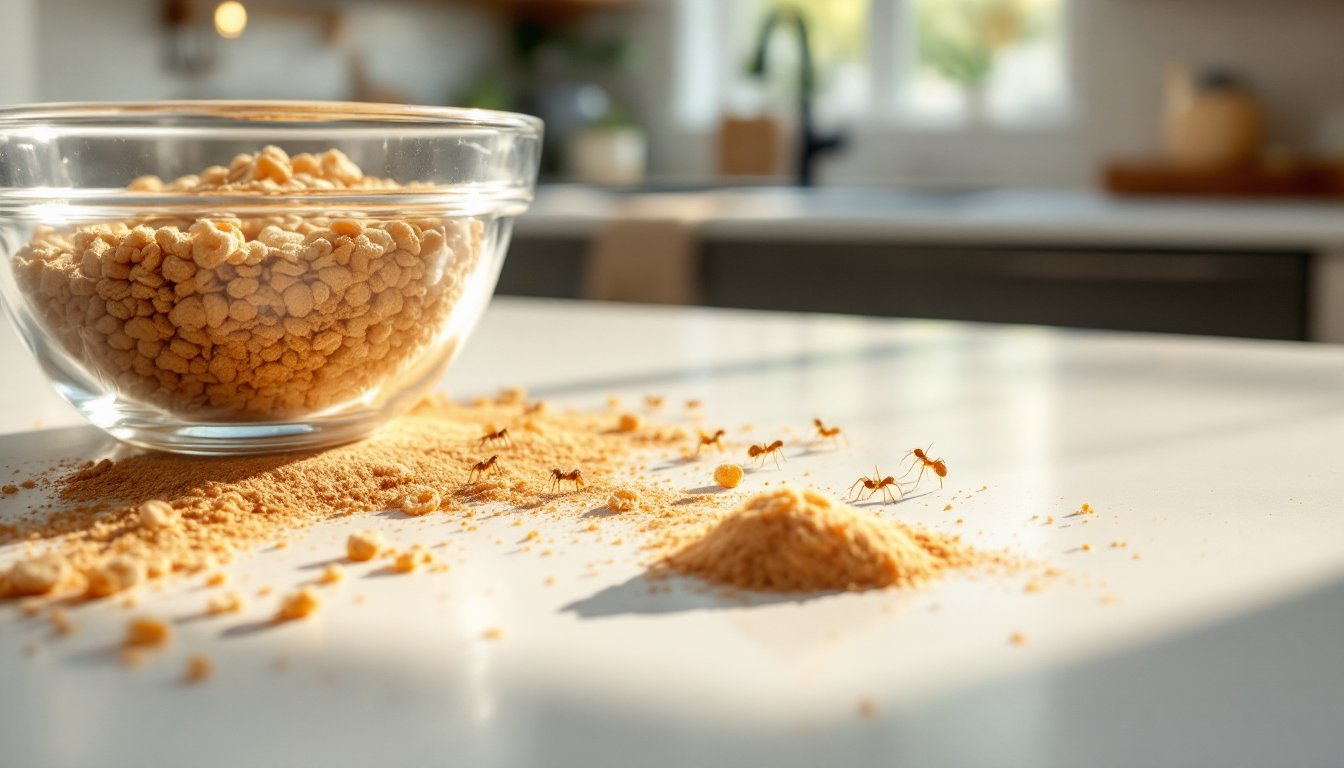
Dust mites are invisible to the naked eye but ubiquitous in nearly every home. They’re not parasites or disease vectors: rather, their feces and shed body parts are the real culprits. A single gram of household dust can harbor thousands of these creatures, and a single dust mite produces roughly 40 waste particles daily. For people with allergies or asthma, dust mite allergens trigger immune responses that cause itching, congestion, wheezing, and sleep disruption.
The problem worsens in humid environments above 50% relative humidity, dust mites love moisture. Bedrooms are prime real estate, followed by living rooms with upholstered furniture. Unlike pollen, which is seasonal, dust mite allergens are year-round. Traditional cleaning, vacuuming and dusting, removes some mites and debris, but it also stirs up tiny particles into the air where they linger and get inhaled. An air purifier traps these particles before they settle back down or enter your lungs, breaking the cycle over time.
How Air Purifiers Eliminate Dust Mites and Allergens
Air purifiers work by drawing in surrounding air, passing it through one or more filters, and releasing clean air back into the room. Not all purifiers are equally effective against dust mites: the filtration method matters significantly.
HEPA Filtration Technology Explained
HEPA (High-Efficiency Particulate Air) filters are the gold standard for trapping dust mite allergens. A true HEPA filter captures 99.97% of particles 0.3 microns and larger, the size range where dust mite allergens cluster. Dust mites themselves are 250–300 microns, but their feces and body fragments are far smaller, making HEPA filtration essential for effective capture.
HEPA filters work through mechanical action: air is forced through a mat of randomly arranged fibers. Particles collide with fibers and stick, trapping them permanently. This is different from electrostatic or ionic purifiers, which release charged ions to attract particles: those methods are less reliable for dust mite allergens and may produce ozone as a byproduct, something the EPA warns against in residential settings.
When shopping, verify the filter is labeled “True HEPA” or “HEPA13.” Budget purifiers sometimes claim “HEPA-type” or “HEPA-like,” which don’t meet official standards and won’t perform as well. The filter should be replaced every 6–12 months depending on usage and air quality: a clogged filter loses efficiency and strains the motor.
Key Features To Look For In A Dust Mite Air Purifier
Not every air purifier is suitable for dust mite control. Here’s what separates a capable unit from a mediocre one:
True HEPA filter is non-negotiable. Skip anything labeled “HEPA-type” or relying solely on pre-filters and activated carbon. The pre-filter catches larger particles and extends HEPA life, while activated carbon handles odors, but neither replaces HEPA’s capability against fine allergens.
CADR (Clean Air Delivery Rate) indicates how much cubic feet per minute (CFM) of clean air the purifier delivers for dust particles. A CADR of 200+ for dust is solid for most bedrooms and living rooms. Match the CADR to your room size: a 400-square-foot bedroom needs different flow than a 1,200-square-foot open living space. Manufacturers typically list recommended room sizes.
ACH (Air Changes Per Hour) refers to how many times the purifier cycles the entire room’s air. Four to five ACH is ideal for allergen control: anything less than three is slow. Calculate this as: (purifier CFM ÷ room volume in cubic feet) × 60. A 300-CFM unit in a 1,500-cubic-foot room achieves 12 ACH, excellent.
Quiet operation matters because bedroom units run overnight. Look for units rated under 50 decibels (dB) on low speed. Noise above 60 dB disrupts sleep and discourages consistent use.
Filter replacement cost and availability vary wildly. Proprietary filters from lesser-known brands can cost $80–$150 per replacement and ship slowly. Mainstream brands like Winix, Levoit, and Coway have affordable, readily available filters ($30–$60).
Certifications matter. Look for AHAM Verified seals, which confirm third-party testing of CADR claims. The Asthma and Allergy Foundation of America (AAFA) also certifies certain models as suitable for allergy sufferers.
Placement and Maintenance Tips For Maximum Effectiveness
Even the best air purifier underperforms if placed poorly. Position the unit in the room where you spend the most time, typically the bedroom. Place it at least 1–2 feet away from walls, furniture, and curtains to allow unrestricted airflow. Don’t tuck it into a corner or hide it behind a couch: the purifier needs clear intake and outlet paths.
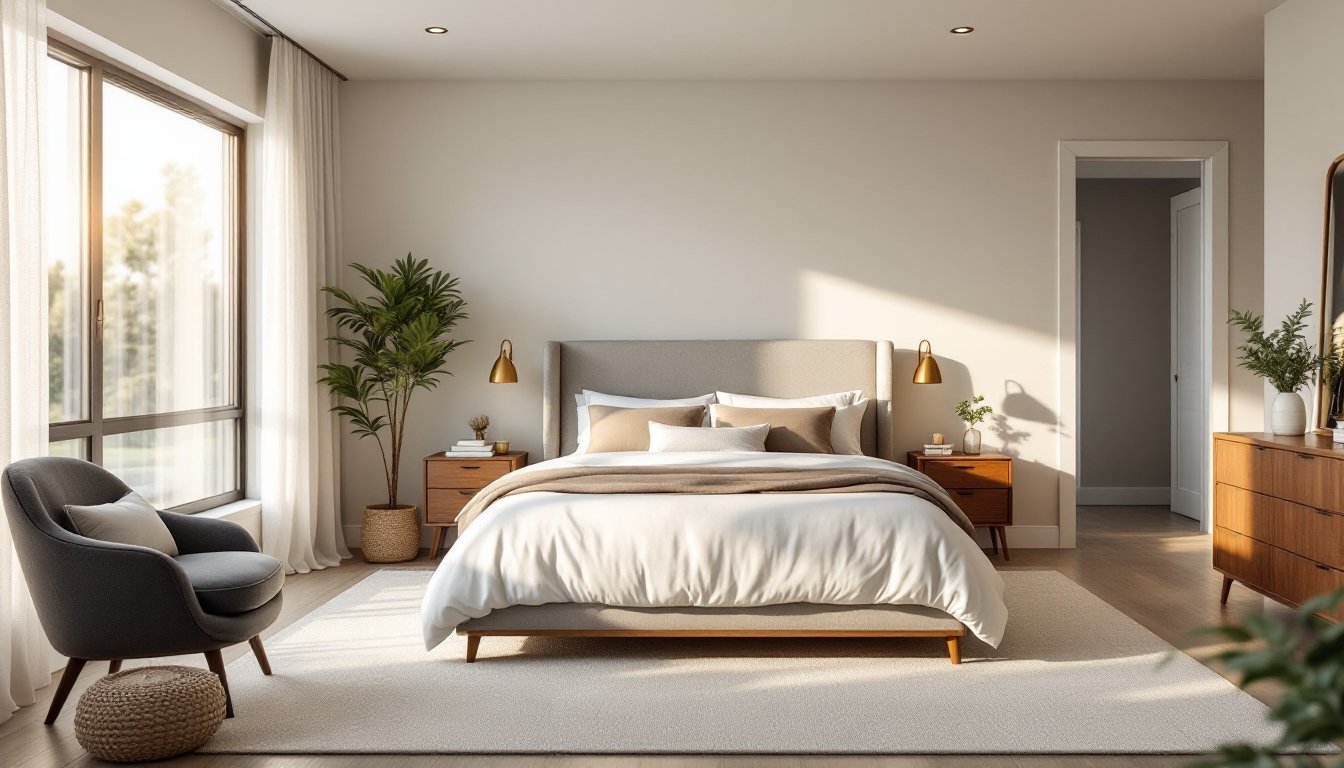
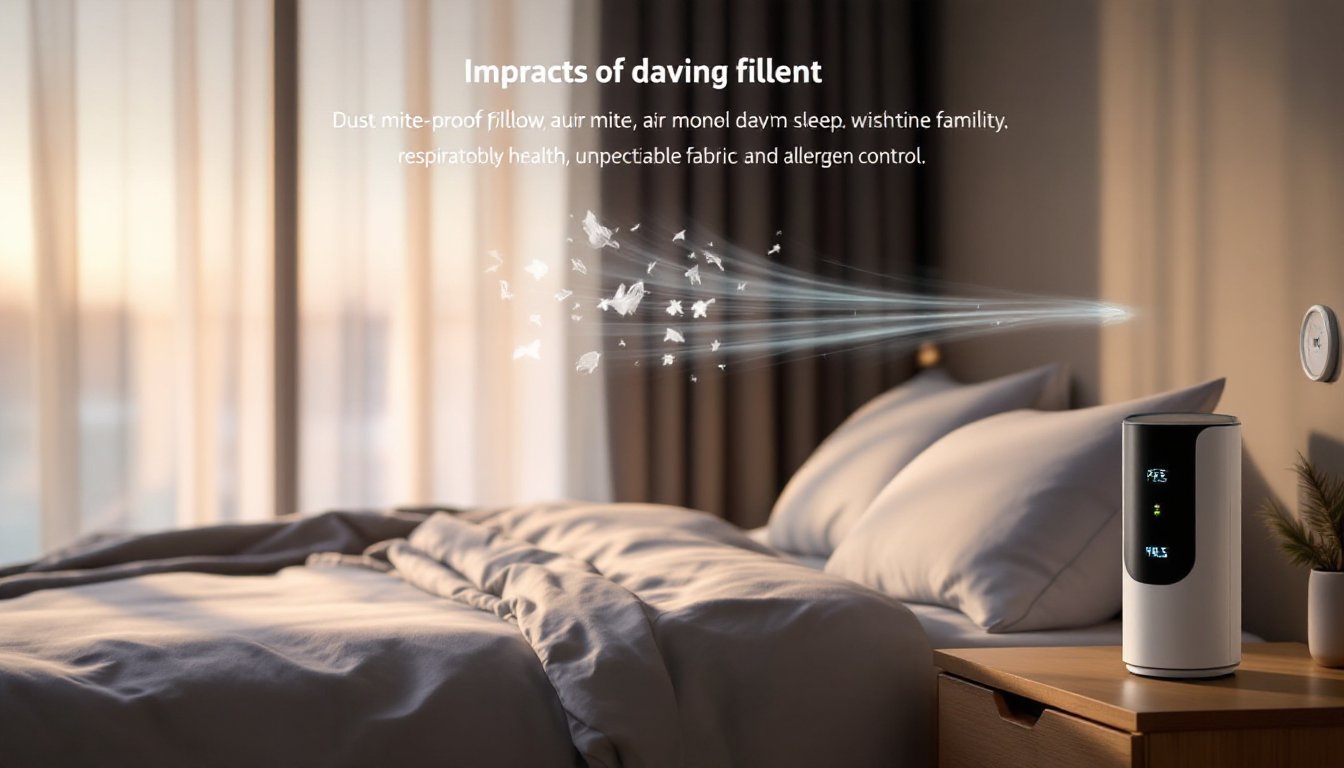
For bedrooms, set the unit across from the bed, elevated slightly off the floor on a shelf or small stand. This directs clean air toward your breathing zone at night. If allergies are severe, consider a second unit in the living room where dust accumulates on upholstered furniture.
Run the purifier continuously rather than intermittently. Dust mites re-emerge and re-settle throughout the day. Leaving it on 24/7 on low speed is quieter and more efficient than sporadic high-speed bursts. Most modern units use minimal electricity, typically 30–100 watts, similar to a laptop.
Check and replace filters on schedule. A full HEPA filter lasts 6–12 months with continuous use: check your unit’s manual. Some purifiers have indicator lights signaling when replacement is due. A clogged filter reduces airflow and fails to capture fine particles, defeating the purpose. Pre-filters (if removable) can be vacuumed gently monthly to extend overall filter life.
Keep the purifier clean externally. Dust the intake vents monthly with a soft cloth, a dusty intake limits airflow. Don’t use water or solvents near vents or motors.
Complementary Strategies To Reduce Dust Mites In Your Home
An air purifier is powerful but not a silver bullet. Pairing it with other tactics accelerates results:
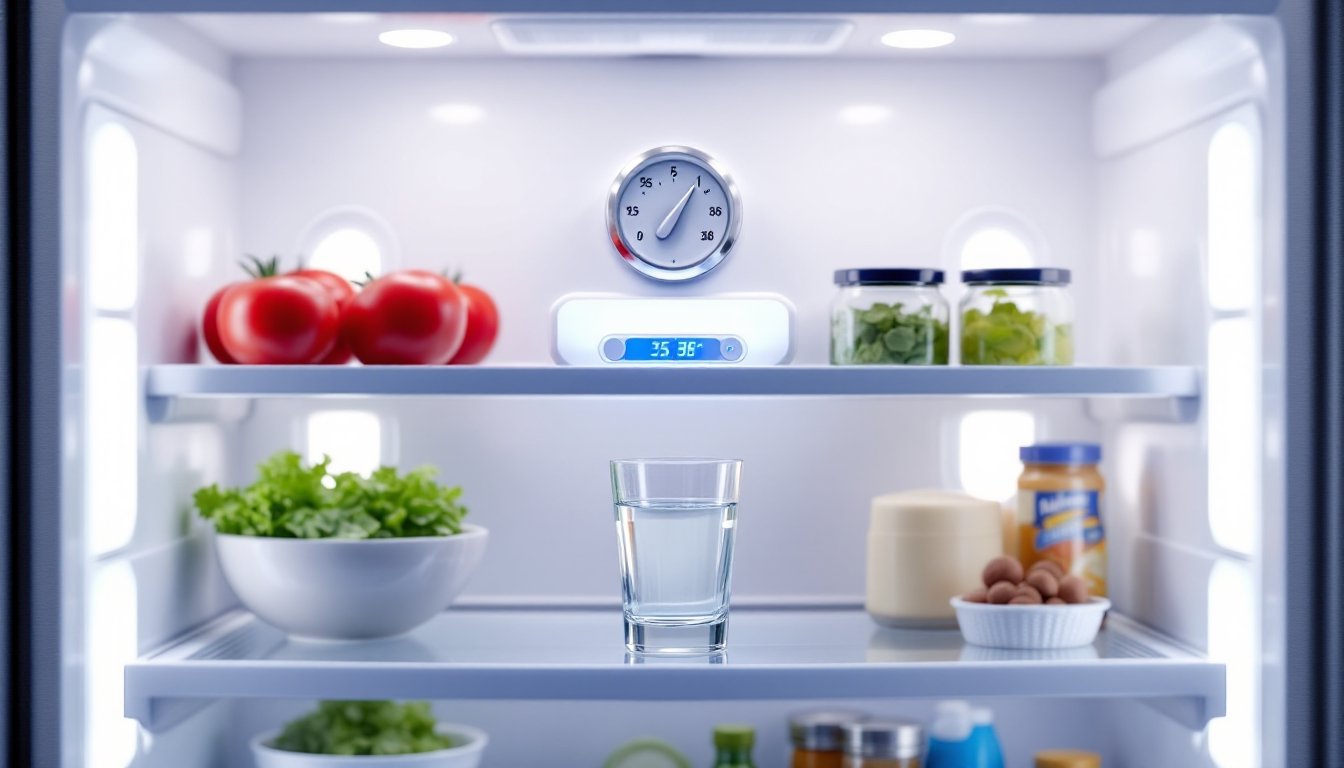
Control humidity. Dust mites thrive above 50% relative humidity. Use a dehumidifier in damp basements or humid climates, or run your HVAC’s dehumidification mode. A hygrometer ($10–20) measures humidity: aim for 40–50%. Proper ventilation and bathroom exhaust fans also help.
Wash bedding weekly in hot water (130°F or higher) to kill dust mites and remove allergens. Encase mattresses and pillows in dust mite-proof covers (certified by AAFA or labeled “hypoallergenic”). These are inexpensive ($20–50 per cover) and block dust mites from nesting in bedding.
Vacuum with a HEPA filter. Regular vacuums stir up particles: those with built-in HEPA filtration capture what the nozzle misses. Many vacuums marked as HEPA-compatible still require HEPA bags or post-motor filters to function effectively, verify this when purchasing.
According to guidance on how to get rid of dust, reducing clutter and wiping surfaces with damp cloths (rather than dry dusting, which disperses particles) significantly lowers dust mite populations. Avoid fabric-heavy décor like heavy curtains or decorative throws in bedrooms: choose washable alternatives or none at all.
Reduce upholstered furniture in bedrooms. Sofas and armchairs collect dust mites: leather or wipeable surfaces shed fewer allergens. If you keep fabric furniture, use removable, washable covers and vacuum them weekly.
For tech-savvy homeowners, smart home air quality monitors pair with purifiers to display real-time PM2.5 levels and humidity, helping optimize placement and run times based on actual air quality rather than guesswork.
Conclusion
Dust mite allergies and asthma symptoms don’t require you to overhaul your home or move to a desert. A quality HEPA air purifier, placed strategically and maintained properly, removes dust mite allergens from the air you breathe every day. Pair it with humidity control, frequent washing, and smart cleaning habits, and you’ll notice real improvements in sleep quality, daytime congestion, and overall respiratory comfort within a few weeks. Start in your bedroom, measure results with a simple allergy symptom log, and expand from there. Your lungs will thank you.