Table of Contents
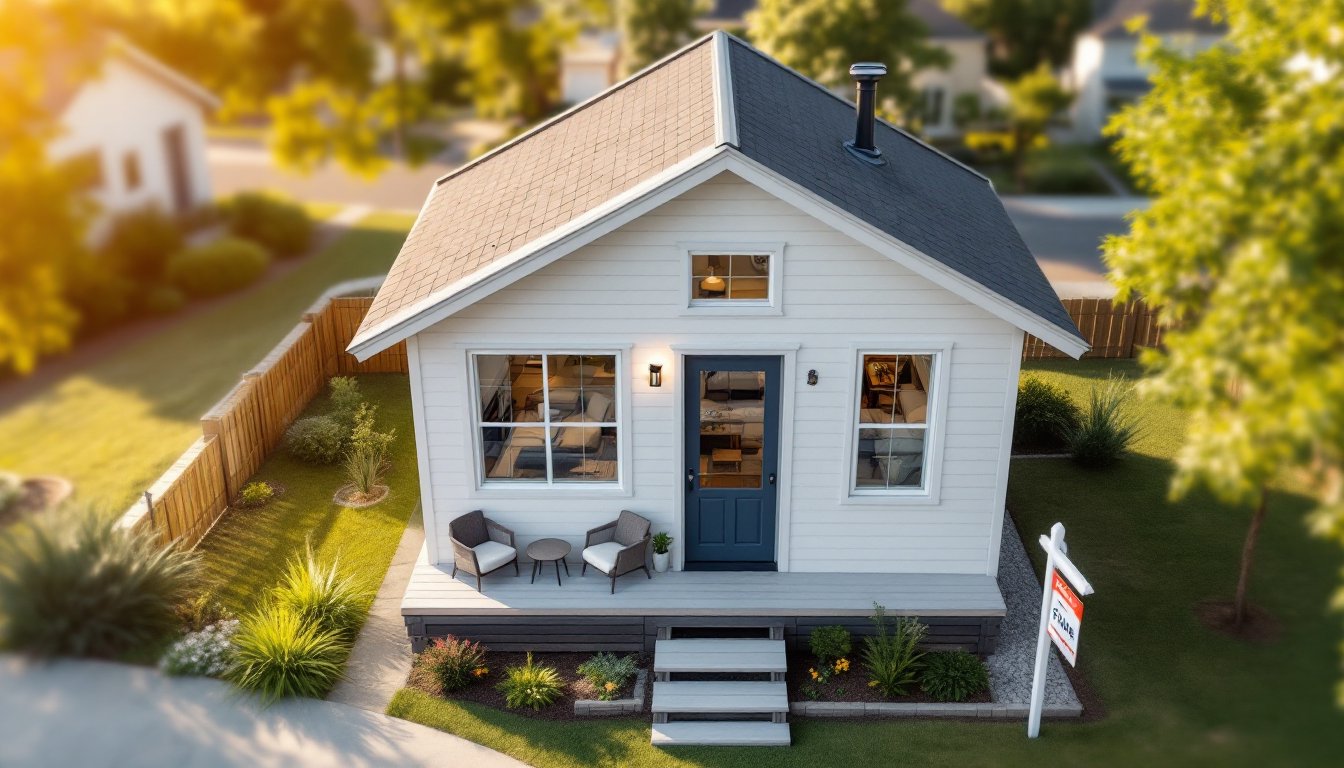
ToggleThe tiny house movement isn’t just a trend anymore, it’s a legitimate housing solution for millions of Americans. Whether driven by soaring real estate prices, environmental concerns, or simply a desire for less clutter and upkeep, buyers are actively searching for small homes for sale across the country. From affordable tiny homes for sale to finished tiny homes that move in ready, the market has exploded with options. For DIY enthusiasts and practical homeowners, understanding what makes a small home tick, and how to maximize every square foot, is becoming essential knowledge. This guide walks you through finding, evaluating, and living smartly in a compact space.
Key Takeaways
- Small homes for sale offer significant cost savings through lower purchase prices and reduced ownership expenses like property taxes, utilities, and maintenance.
- The most practical small homes feature thoughtful design with open floor plans, high ceilings, and multipurpose spaces that make compact layouts feel spacious and functional.
- When searching for tiny homes for sale, use specialized platforms like Tiny House Marketplace and verify local zoning laws, as not all municipalities permit residential tiny houses.
- Structural soundness—including foundation integrity, roof condition, and working HVAC and plumbing systems—is critical when evaluating used tiny homes for sale.
- Maximize small-home living through vertical storage, multipurpose furniture, natural lighting, and intentional decluttering rather than struggling with excess belongings.
- Finished tiny homes for sale with modern systems and proper permits often outperform used options in energy efficiency and long-term reliability, making them worth the investment.
What Defines A Small Home
The term “small home” means different things depending on who you ask. The National Association of Home Builders generally categorizes homes under 1,200 square feet as small, though some definitions extend to 1,500 square feet. Tiny houses, a more specific subset, are typically under 600 square feet and often built on trailers. Finished tiny homes for sale, manufactured units, and custom builds all fall somewhere along this spectrum.
What matters most isn’t the exact square footage but how efficiently the space is designed. Open floor plans, high ceilings, smart storage, and multipurpose rooms are hallmarks of well-designed small homes. When shopping for tiny home for sale with land or looking at used cheap tiny houses for sale, pay attention to layout. A 900-square-foot home with thoughtful zoning feels far larger than a poorly arranged 1,200-square-foot box.
Also consider whether you’re eyeing a site-built home (constructed on the property where it sits), a modular unit (built in sections and assembled on-site), or a manufactured tiny house. Tiny house manufacturers near me often produce custom units, while Curbed features architecture and design trends that showcase innovative small-space solutions. Each type has different financing, permitting, and resale implications.
Benefits Of Buying A Small Home
Affordability And Lower Ownership Costs
The most obvious draw is cost. Small homes for sale typically command lower purchase prices than their larger counterparts. Finished tiny homes for sale and affordable tiny homes for sale are increasingly common because builders and developers recognize the demand from first-time buyers, retirees, and downsizers. Tiny homes on land for sale often represent genuine value, you’re getting a complete property without the six-figure price tag of a traditional suburban home.
Beyond purchase price, ownership costs plummet. Property taxes are calculated on assessed value, so a 600-square-foot home costs less to tax than a 2,500-square-foot house on comparable land. Utilities are smaller too: heating, cooling, and electricity bills drop significantly. If you’re carrying a mortgage, the monthly payment shrinks proportionally. Two story tiny homes for sale sometimes offer better layout efficiency, but even single-story compact homes reduce operational overhead dramatically.
Reduced Maintenance And Upkeep
Fewer square feet means fewer surfaces to paint, fewer fixtures to repair, and fewer areas prone to water damage or structural wear. A small home’s roof, siding, and foundation require maintenance like any house, but the scale is simply smaller. Yard work drops significantly if your property is modest, and interior repairs are less costly, replacing flooring in 500 square feet costs far less than in 2,000 square feet.
Maintenance also becomes manageable for DIYers. You’re not managing a sprawling system: you’re working on a more comprehensible footprint. When something breaks, the repair scope is tighter. This appeals to older homeowners, busy professionals, and anyone tired of endless to-do lists. Apartment Therapy showcases creative small-space living solutions that help owners maintain their homes without overwhelming themselves.
Finding Small Homes For Sale In Your Area
Locating the right property requires persistence and the right tools. Traditional real estate sites like Zillow, Redfin, and Realtor.com let you filter by square footage and price, but you’ll wade through listings that aren’t truly small homes. Use specific searches: “tiny homes with land for sale,” “finished tiny homes for sale,” or “tiny house land for sale” to narrow results.
Specialized sites exist too. Tiny House Marketplace, Hipcamp, and niche platforms cater directly to small-home buyers. If you’re serious about a property, research local zoning laws, not every area permits residential tiny houses or allows homes under a certain square footage minimum. Some municipalities require minimum lot sizes or discourage trailer-based units. Hiring a real estate agent familiar with small homes in your region saves enormous time: they’ll know which neighborhoods are receptive and where inventory exists.
Tiny home sale prices fluctuate regionally. Rural and emerging markets often have lower availability but better affordability, while urban and near-urban areas command premiums. Consider working with local builders if you’re open to new construction, custom-built units often outperform used cheap tiny houses for sale when it comes to energy efficiency and modern systems. Don’t overlook land separately either: buying land for tiny homes near me and then securing financing for construction sometimes costs less than purchasing a ready-made unit.
Key Features To Look For In A Small Home
When evaluating tiny house listings, structural soundness comes first. Check the foundation for cracks, water intrusion, or settling. If the unit is on a trailer, inspect the frame, axles, and hitch for rust or damage, these repairs are expensive and critical for safety. Review the roof carefully: any signs of leaks or aged shingles mean immediate replacement costs.
Inside, systems matter. Plumbing, electrical, and HVAC all need to be adequate for your climate and daily use. In a small home, a single failure has outsized impact. If you’re looking at used options, have a licensed home inspector examine mechanicals. Finished tiny homes for sale should include documentation of permits and any work completed: missing paperwork signals red flags.
Storage and functionality are non-negotiable. Open shelving, built-in cabinets, and vertical space utilization determine whether the home feels cramped or comfortable. Check ceiling heights, low ceilings in a small footprint create claustrophobia. Insulation and weatherproofing matter more in tiny homes because temperature swings affect compact spaces faster.
Finally, assess adaptability. Can you add a workspace for remote work? Is there room for a hobby or storage? Homes that work for today may not suit you in five years. Houzz provides professional design inspiration for reimagining small spaces, offering layouts and renovation ideas that maximize compact footage. Look for properties where you can personalize and modify without major structural changes.
Making The Most Of Your Compact Space
Living small requires intentional design and smart choices. Start with vertical storage: shelves, wall-mounted racks, and tall cabinets use unused wall space. Under-bed storage, Murphy beds, and fold-away tables are no longer novelties, they’re practical necessities that reclaim square footage.
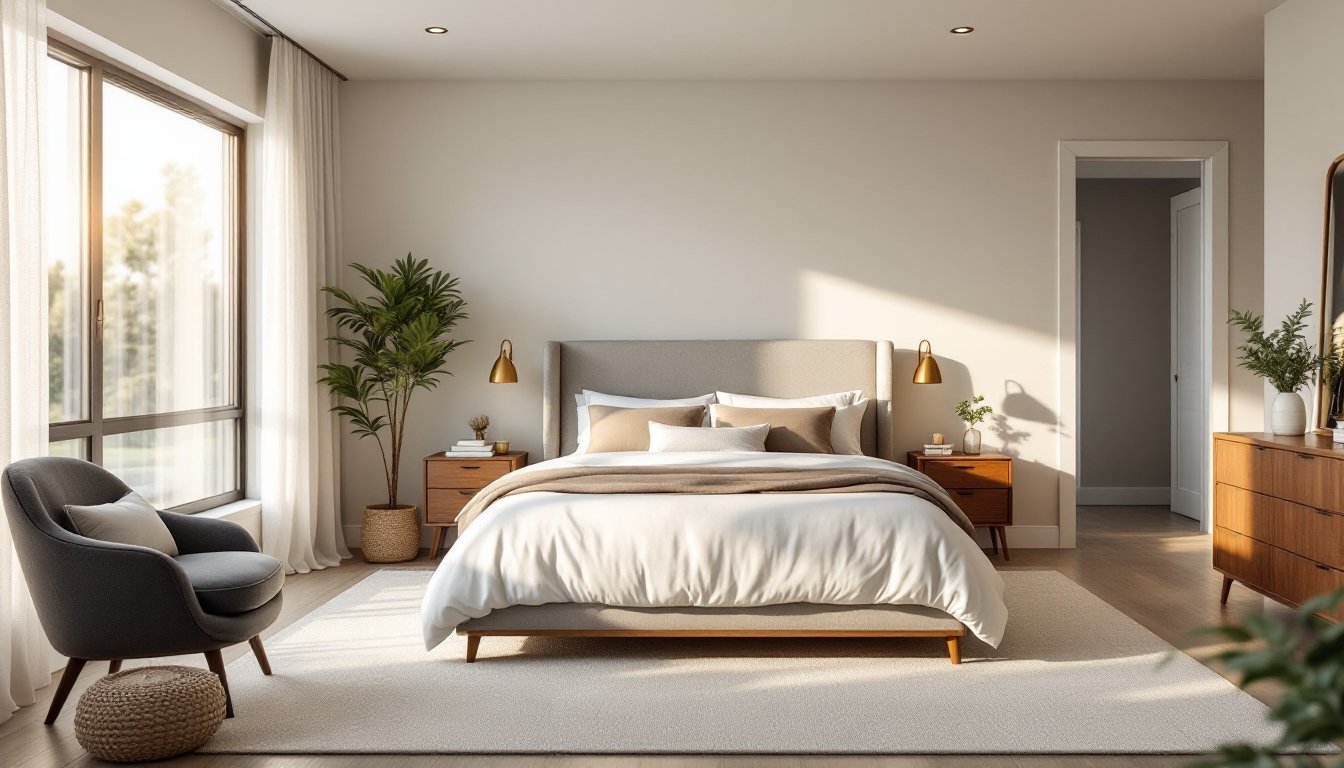
Color and lighting affect perception dramatically. Light, neutral walls and good task lighting make small rooms feel larger and more functional. Natural light through windows or skylights is worth its weight in gold. Mirrors strategically placed bounce light and create the illusion of depth.
Multipurpose furniture is essential. A dining table that doubles as a workspace, a bench with storage underneath, or a sofa with drawers cuts down on the number of items you need. Decluttering isn’t optional: it’s foundational. In a small home, excess belongings steal space and create visual chaos.
Don’t underestimate outdoor space. Even a small porch, patio, or shared green area extends your living footprint psychologically. If you’re buying tiny homes on land for sale or homes with land, prioritize properties where outdoor areas feel usable and inviting.
For DIY projects, think about built-ins that add storage without bulk. Recessed shelving uses wall cavities without protruding. Underutilized corners can become nooks with simple framing and finishing. Every inch serves double duty, that’s the small-home mindset. When space is limited, smart design and intentional living aren’t luxuries: they’re survival strategies that separate comfortable compact homes from cramped ones.