Table of Contents
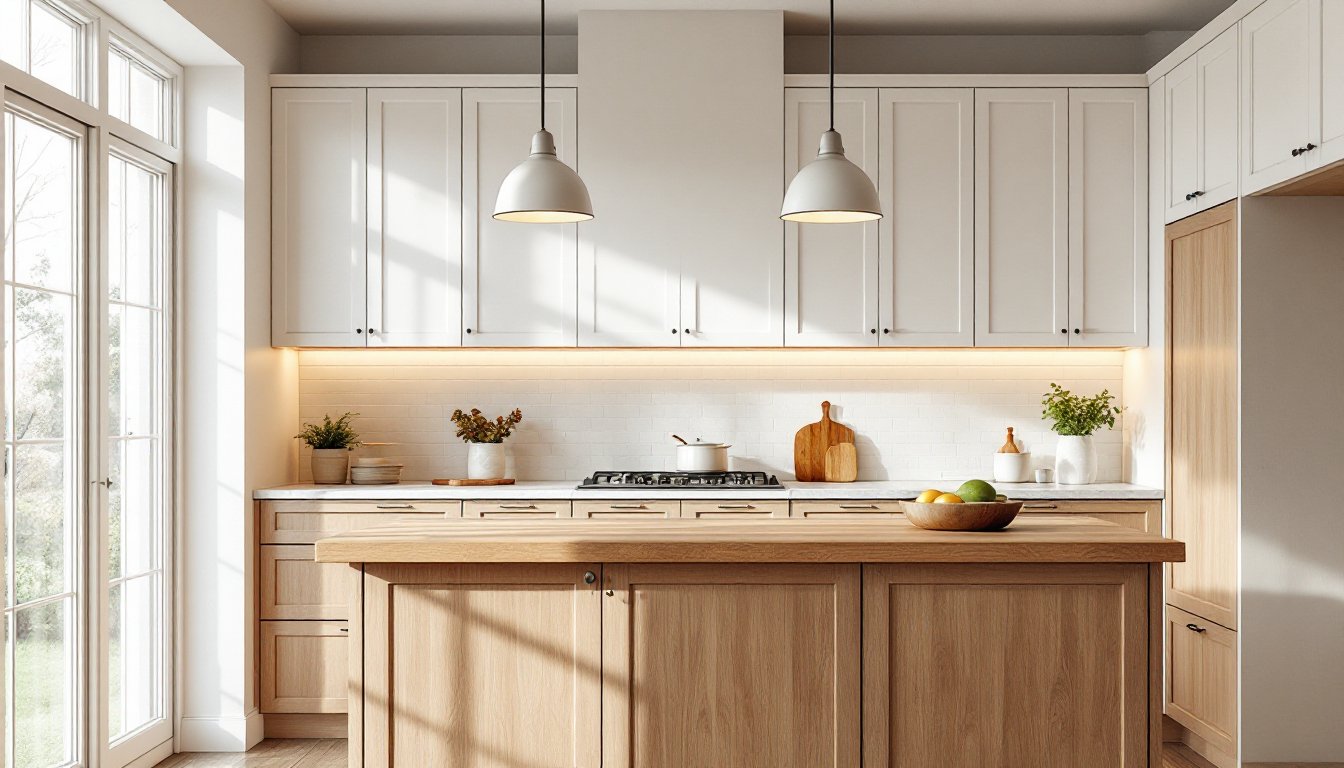
ToggleWhite and wood kitchen cabinets have become the go-to choice for homeowners wanting a design that’s both timeless and contemporary. Unlike all-white cabinetry that can feel sterile or dark wood that can make a kitchen feel heavy, the two-tone approach offers balance, warmth from natural wood paired with the brightness of white creates visual interest without requiring a complete overhaul of your kitchen’s bones. Whether you’re planning a full renovation or refreshing cabinet doors and finishes, understanding how to combine white and wood tones effectively will help you create a kitchen that feels intentional, functional, and genuinely reflects your home’s character.
Key Takeaways
- White and wood kitchen cabinets balance brightness and warmth, creating visual contrast that makes kitchens feel larger, more intentional, and less sterile than single-color schemes.
- Warm whites (with yellow or cream undertones) pair best with honey, golden oak, or walnut wood, while cool whites complement light ash, birch, or gray-toned woods—matching undertones prevents jarring contrast.
- Farmhouse and Scandinavian styles both leverage white and wood cabinets effectively, but farmhouse emphasizes texture through distressed finishes and brass hardware, while Scandinavian prioritizes clean lines and matte finishes for minimalist appeal.
- Keep countertops and backsplashes neutral—white quartz, marble, or butcher-block countertops and light subway tile allow your white and wood cabinets to be the design focal point without visual competition.
- Warm white LED lighting (2700K) enhances the coziness of wood tones, while thoughtful hardware placement in matte black, brass, or oil-rubbed bronze reinforces your design style and adds polish to the two-tone kitchen.
Why White and Wood Cabinets Work So Well Together
The combination of white and wood tones succeeds because it achieves visual contrast without jarring your eye. White reflects light and makes a kitchen feel larger and cleaner, especially valuable in smaller spaces or homes with limited natural light. Wood, conversely, adds warmth, texture, and a sense of permanence that keeps a room from feeling cold or clinical.
When you use both materials, you’re essentially creating a visual anchor system. White upper cabinets or open shelving can expand the sense of vertical space, while wood base cabinets or island elements ground the room and draw the eye downward in a natural way. This isn’t accidental design, it’s a principle carpenters and architects have used for decades.
Another practical advantage: if you’re renovating in stages, a white and wood palette is forgiving. You can paint existing cabinets white (often far cheaper than replacement) and introduce natural wood through an island, open shelving, or butcher-block countertops. This flexibility makes the style accessible whether you’re working with a professional kitchen designer or tackling the project yourself. The psychological effect matters too, homeowners report that two-tone kitchens feel more curated and intentional than single-color schemes, even though they require no more technical skill to execute.
Popular Design Styles for White and Wood Kitchen Cabinets
Farmhouse and Cottage Aesthetics
Farmhouse kitchens thrive on the white and wood combination because it echoes traditional homestead design. Typically, you’ll see white painted cabinets, often with a subtle distressed finish or recessed panel doors, paired with warm honey or medium-brown wood, frequently in an island or open shelving unit. The aesthetic feels lived-in but clean, nostalgic without being dated.
When executing this style, consider white and wood kitchen cabinets with shaker-style or five-piece panel doors. These door profiles age well visually and suit both old and new construction. Pair them with brass or oil-rubbed bronze hardware, chrome tends to read too modern for true farmhouse work. Many homeowners add open shelving above a white lower cabinet run, using natural wood or floating shelves that showcase vintage dishes and glassware. The key is balance: too much open shelving reads cluttered, while too much closed storage feels sterile.
Modern Minimalist and Scandinavian Designs
Scandinavian and minimalist kitchens strip away ornamentation and focus on clean lines and function. Here, wood and white kitchen cabinets work through simplicity rather than decoration. You’ll typically see flat-panel or handleless doors in crisp white paired with light woods, birch, ash, or white oak, used sparingly on an island or as accent open shelving.
The Scandinavian approach emphasizes function and material honesty. Handles might be minimal or recessed: hardware is matte black or brushed steel rather than ornate. The wood tones are intentionally light, keeping the overall palette bright and airy. Unlike farmhouse kitchens that might incorporate distressing, minimalist versions look precisely finished, edges are flush, surfaces are smooth, and every element serves a purpose. This style is particularly effective in narrow kitchens or galley layouts where visual simplicity prevents the space from feeling cramped.
Choosing the Right Wood Tone and Finish
Wood tone selection is where most homeowners stumble, often defaulting to whatever cabinet sample they grab first. Your choice should account for the undertones in your existing flooring, trim, and other permanent fixtures in the home.
Undertone matters more than shade. A medium brown with red undertones (like cherry or mahogany) will clash with a white cabinet that has cool, bluish undertones, the contrast reads as jarring rather than intentional. If you’re starting from scratch, pick your white first (sample it in your actual kitchen lighting), then select wood that complements it. Warm whites (with yellow or cream undertones) pair beautifully with honey, golden oak, or walnut. Cool whites work better with light ash, birch, or gray-toned woods.
Finish type also affects how the wood reads. High-gloss finishes appear more modern and showroom-ready but require frequent maintenance and show fingerprints readily. Semi-gloss or satin finishes are more forgiving and work well in busy kitchens. Many builders prefer matte or flat finishes on wood cabinets paired with white, as they reduce glare and create a softer, more intentional appearance. Whatever finish you choose, test samples in your kitchen at different times of day, morning north-facing light will show different warmth than afternoon south-facing exposure.
Don’t overlook the difference between stained and painted finishes. Stained wood showcases grain pattern and natural variation, which some homeowners love for authenticity. Painted wood offers a cleaner, more controlled appearance but obscures the wood species beneath. For a two-tone kitchen, clarity and visual distinction between your white and wood elements matter more than pristine wood grain showcase.
Pairing White and Wood Cabinets With Countertops and Backsplashes
Your countertop and backsplash are the third voice in a white-and-wood kitchen, and they either unify the scheme or muddy it. The safest approach is to let your cabinets dominate visually and keep countertops and backsplashes quieter.
White or light gray quartz, marble, or butcher-block countertops work universally well with white and wood cabinetry. Butcher-block is particularly effective because it introduces a third wood tone that bridges the gap between your white cabinets and darker wood accents, this creates depth without visual chaos. If you go with white quartz or marble, avoid busy veining that might compete with your cabinet colors. A subtle, consistent pattern is easier on the eye.
For backsplashes, white subway tile, light gray tile, or even white shaker-style boards keep the focus on your cabinetry. Many designers avoid dark or heavily patterned backsplashes in white-and-wood kitchens because they visually chop up the space. If you want pattern, consider a soft geometric or linear design in neutral tones. Designers featured on Remodelista frequently use this restraint to let cabinet configuration and wood tone selection be the design statement rather than competing finishes.
Consider the overall reflection and light in your kitchen. Glossy countertops or shiny backsplash tile can amplify light beautifully in dim kitchens but may feel overwhelming in south-facing rooms with abundant natural light. Matte finishes ground the space and reduce glare, making the room feel calmer.
Lighting and Hardware That Elevate Your Two-Tone Kitchen
Lighting transforms how your white and wood cabinets read throughout the day. Warm white bulbs (2700K color temperature) enhance the coziness of wood tones and prevent white cabinets from appearing cold or sterile. Cool white bulbs (4000K+) suit modern, minimalist kitchens but can make warm wood look muddy.
Pendant lights hung over an island are functional and visually anchor the wood element if you’ve placed your wood cabinets there. Choose finishes that complement your hardware, if you’re using matte black handles, matte black or brushed steel pendant sockets create visual continuity. Avoid mixing too many metal finishes in a small space: two complementary tones (such as matte black and brass) are typically enough.
Hardware is the jewelry of your cabinetry, and it should reinforce your design intent. Farmhouse and cottage styles often call for brass, oil-rubbed bronze, or aged iron pulls and knobs. Minimalist kitchens favor recessed handles, flat bar pulls in matte black, or brushed nickel. Avoid chrome or highly polished finishes if your wood has warm honey tones, the cool shine of polished chrome reads as conflicting. Your hardware should whisper the same design story as your cabinets.
One practical note: ensure your hardware is rated for kitchen use. Cabinet pulls experience daily wear, and cheap hardware loosens or breaks quickly. Invest in solid brass, stainless steel, or quality plated finishes that won’t tarnish or peel. Resources like The Kitchn review kitchen hardware extensively and can help you find options that suit both aesthetics and durability. Under-cabinet lighting strips (LED tape is affordable and effective) illuminate countertops and make both white and wood tones appear more vibrant without being intrusive.